What Metal Is Best for Sensitive Skin in Jewelry?
A beautiful ring should leave an impression, not an itchy red outline. If you have ever removed earrings after a few hours or noticed irritation beneath a favorite band, you have likely asked: what metal is best for sensitive skin? The answer is not simply “hypoallergenic.” It comes down to the specific alloy, the piece’s construction, and how often it meets your skin.
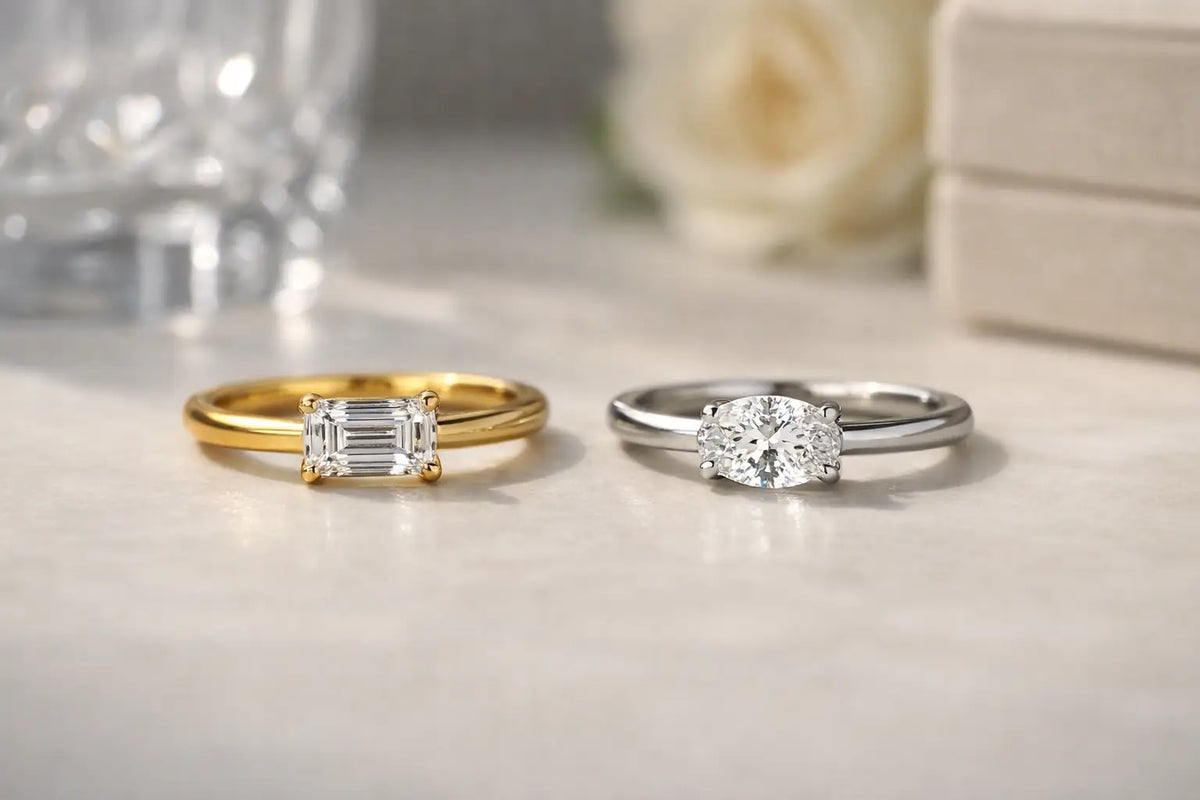
For fine jewelry designed to be worn close and often, platinum and high-quality gold are usually the most reliable choices. Still, details matter. White gold can perform differently from yellow gold, and a plated finish can change the experience of a piece over time.
What causes jewelry sensitivity?
Most jewelry reactions are caused by contact dermatitis, an irritation or allergy triggered when a metal touches the skin. Nickel is the most common culprit. It is frequently used in alloys because it is durable, inexpensive, and helps create a bright white color. For someone with a nickel sensitivity, however, even a small amount can lead to itching, redness, dryness, swelling, or tiny bumps.
Not every reaction is an allergy. Soap residue, sweat, fragrance, lotion, and moisture trapped beneath a ring can also irritate the skin. That distinction matters because switching metals may help an allergy, while more consistent cleaning and drying may resolve a simple irritation.
The phrase “hypoallergenic” is useful but not absolute. It generally means a material is less likely to trigger a reaction, not that it is guaranteed safe for every wearer. A refined jewelry purchase calls for a more specific question: exactly which metal and alloy is in the piece?
What metal is best for sensitive skin?
For most people with sensitive skin, platinum is the leading choice. It is naturally white, exceptionally durable, and typically alloyed with metals that are well tolerated, such as ruthenium or iridium. Platinum jewelry is also highly pure, commonly marked 950 platinum, meaning it contains 95% platinum.
Its density gives platinum a substantial, luxurious feel, while its natural white tone beautifully complements the crisp brilliance of lab-grown diamonds. Unlike white gold, it does not rely on rhodium plating to achieve its color. Over time, platinum develops a soft satin patina rather than wearing away. It can be professionally polished if you prefer a brighter finish.
The trade-off is price. Platinum is denser and more labor-intensive to work with than gold, so it is often a more significant investment. For an engagement ring or a diamond piece worn every day, that investment can be worthwhile for both comfort and lasting elegance.
14K yellow gold: a classic, dependable option
High-quality 14K yellow gold is an excellent choice for many sensitive-skin wearers. It contains 58.3% pure gold, blended with other metals for the strength needed in fine jewelry. Its warm tone is timeless, flattering across skin tones, and especially beautiful with both classic round diamonds and fancy shapes.
Because 14K gold contains more alloy metal than 18K gold, the exact composition deserves attention. Yellow-gold alloys are often made with copper, silver, and zinc. Many people wear them comfortably, but those with a known copper or nickel allergy should ask for the alloy details before purchasing.
For daily rings, bracelets, and necklaces, 14K gold offers an appealing balance of durability, precious-metal content, and accessible luxury. It is generally stronger than 18K gold, making it a particularly practical choice for designs that will become part of your everyday signature.
18K gold: higher gold content, softer wear
At 75% pure gold, 18K yellow gold has less room for alloy metals and is often a comfortable option for sensitive skin. Its richer color gives diamond jewelry a distinctly elevated presence, especially in refined solitaires, delicate pendants, and occasion-worthy earrings.
The trade-off is softness. Pure gold is naturally pliable, and 18K jewelry can show wear more readily than 14K pieces when exposed to constant friction. It remains a beautiful choice, particularly for earrings and necklaces, but an active lifestyle may favor 14K gold or platinum for a ring worn every day.
White gold: beautiful, but verify the alloy
White gold delivers a sleek, contemporary look that allows diamonds to take center stage. It is often finished with rhodium plating, a bright white metal from the platinum family that creates a luminous surface. When the plating is intact, many people find white gold comfortable to wear.
The consideration is beneath that finish. Some white-gold alloys contain nickel, and as rhodium plating gradually wears with regular use, the underlying alloy can come into contact with skin. This does not mean every white-gold piece will cause a reaction. It means shoppers with a confirmed nickel allergy should ask whether the alloy is nickel-free or consider platinum instead.
Rhodium replating can restore the bright finish of white gold when needed. It is a standard part of long-term fine-jewelry care, especially for rings exposed to handwashing, skincare products, and daily movement.
Titanium and niobium: excellent for some jewelry, less traditional for fine diamonds
Titanium and niobium are widely recognized for their skin-friendly qualities. They are lightweight, strong, and rarely associated with allergic reactions. Titanium can be an appealing option for simple bands, particularly for someone who values a modern, understated aesthetic.
However, these metals are not as easily resized or repaired as gold and platinum. Their use is also less common in traditional diamond settings, where the fine detail and adjustability of precious metals remain highly valued. For diamond jewelry meant to mark an engagement, anniversary, or personal milestone, platinum and gold usually offer greater versatility alongside their enduring beauty.
Metals to approach with more care
Sterling silver is beloved for its bright appearance and approachable price, but it is not always the strongest choice for highly sensitive skin. Traditional sterling silver contains 92.5% silver and 7.5% other metals, most often copper. While copper is not a concern for everyone, it can contribute to discoloration or irritation for some wearers. Silver also tarnishes more readily, which can make maintenance more frequent.
Costume jewelry, gold-plated jewelry, and vermeil require particular awareness. A thin outer layer may initially create separation between skin and the base metal, but that layer can wear down. If nickel or another irritating metal sits underneath, sensitivity may appear later. These pieces can be lovely for occasional styling, but they are less reassuring for jewelry you hope to wear every day.
How to choose a comfortable piece with confidence
Start with your own history. If earrings have consistently caused a reaction, choose platinum or solid 14K or 18K gold posts rather than plated options. If your finger becomes irritated only under a ring, evaluate your handwashing habits, lotions, and whether moisture is collecting beneath the setting before assuming the metal is the only issue.
Then look beyond the color name. “White gold” and “yellow gold” describe appearance, but the alloy tells the more complete story. Ask whether a white-gold design is nickel-free, whether a piece is solid gold rather than plated, and what karat is used. Reputable fine jewelers should make material specifications clear and be prepared to answer direct questions.
For a new piece, wear it for a short period at first and observe your skin. Remove it before swimming, exercising, or applying perfume and skincare. Clean it gently with mild soap, warm water, and a soft cloth, then dry it thoroughly. These small rituals preserve both the jewelry’s radiance and a more comfortable wearing experience.
The right metal should feel as good as it looks
There is no need to choose between diamond brilliance and daily comfort. Platinum offers the most universally reassuring option for sensitive skin, while solid 14K and 18K gold can be exceptional choices when their alloys suit your needs. White gold remains a refined favorite, provided you understand its composition and care requirements.
A piece from OROLEV is meant to become part of your story, whether it marks a promise, a milestone, or a moment chosen purely for yourself. Select a metal with the same care you give to cut, carat, and design, and your jewelry can feel as effortless as its sparkle.