Is White Gold Durable Enough for Everyday Wear?
A white gold ring can carry you from morning coffee to an anniversary dinner with effortless polish, but fine jewelry is meant to be worn with awareness, not treated as indestructible. So, is white gold durable? Yes. When it is well made and thoughtfully cared for, white gold is an excellent choice for everyday rings, earrings, necklaces, and bracelets.
Its real-world longevity depends on more than its luminous white finish. Karat, alloy composition, setting design, plating maintenance, and how you wear the piece all shape how beautifully it performs over time. For diamond jewelry that feels refined yet ready for daily life, white gold offers a compelling balance of strength, brightness, and timeless elegance.
Is White Gold Durable for Daily Wear?
White gold is durable enough for daily wear because it is not pure gold. It is an alloy: gold blended with white-toned metals that increase its strength and soften gold’s naturally yellow color. Depending on the formula, those supporting metals may include palladium, silver, zinc, or nickel.
This matters because pure 24K gold is relatively soft. It can bend, dent, and scratch more easily than most people want from an engagement ring or a favorite diamond bracelet. White gold uses alloy metals to create a firmer material that better suits the rhythm of everyday wear.
For many shoppers, 14K white gold is the practical sweet spot. It contains 58.3% pure gold and a higher proportion of strengthening metals than 18K gold. That typically makes it more resistant to surface wear and minor bending, especially in rings worn every day. Its bright, polished look still feels unmistakably luxurious.
18K white gold contains 75% pure gold, delivering a richer precious-metal content and a more elevated feel. It is also somewhat softer than 14K white gold. That does not make it fragile, but it does mean an 18K ring may show fine scratches or wear a little sooner when exposed to frequent contact with hard surfaces.
The Rhodium Finish Makes White Gold Brilliant
Most white gold jewelry receives a rhodium plating. Rhodium is a bright white precious metal that gives the finished piece its crisp, silvery brilliance. It also creates a protective surface layer, helping the jewelry resist tarnish and enhancing its polished appearance.
The plating is not permanent. With time and regular contact, especially on the underside of a ring, rhodium can gradually wear away. When that happens, the underlying white gold may reveal a slightly warmer tone. This is normal maintenance, not a sign that the piece has failed.
How quickly the finish wears varies widely. Handwashing, skin chemistry, lotions, fitness routines, work with tools, and the fit of a ring can all make a difference. A jeweler can restore the bright white finish through professional cleaning and replating when needed. For a beloved everyday ring, that simple service is part of preserving its original radiance.
Durability Is More Than the Metal
The strength of a jewelry piece also depends on how it is designed. A substantial band generally withstands daily life better than an ultra-thin band. A diamond held in a secure, well-proportioned setting has more protection than one elevated high above the finger with minimal metal around it.
This does not mean delicate designs should be avoided. It simply means they should match your lifestyle. Someone who works with their hands, lifts weights, gardens, or frequently travels may prefer a lower-profile setting, a slightly wider band, or a protective bezel design. A more sculptural, airy style may be perfect for occasional wear or for someone whose daily routine is gentler on jewelry.
Prongs deserve attention, too. White gold prongs can provide a secure and elegant frame for a diamond, but they should be professionally checked from time to time. Snagging on fabric, repeated knocks, and ordinary wear can gradually affect prong alignment. Catching that early helps protect the diamond and keeps the setting looking precise.
White Gold and Diamonds Are a Lasting Pair
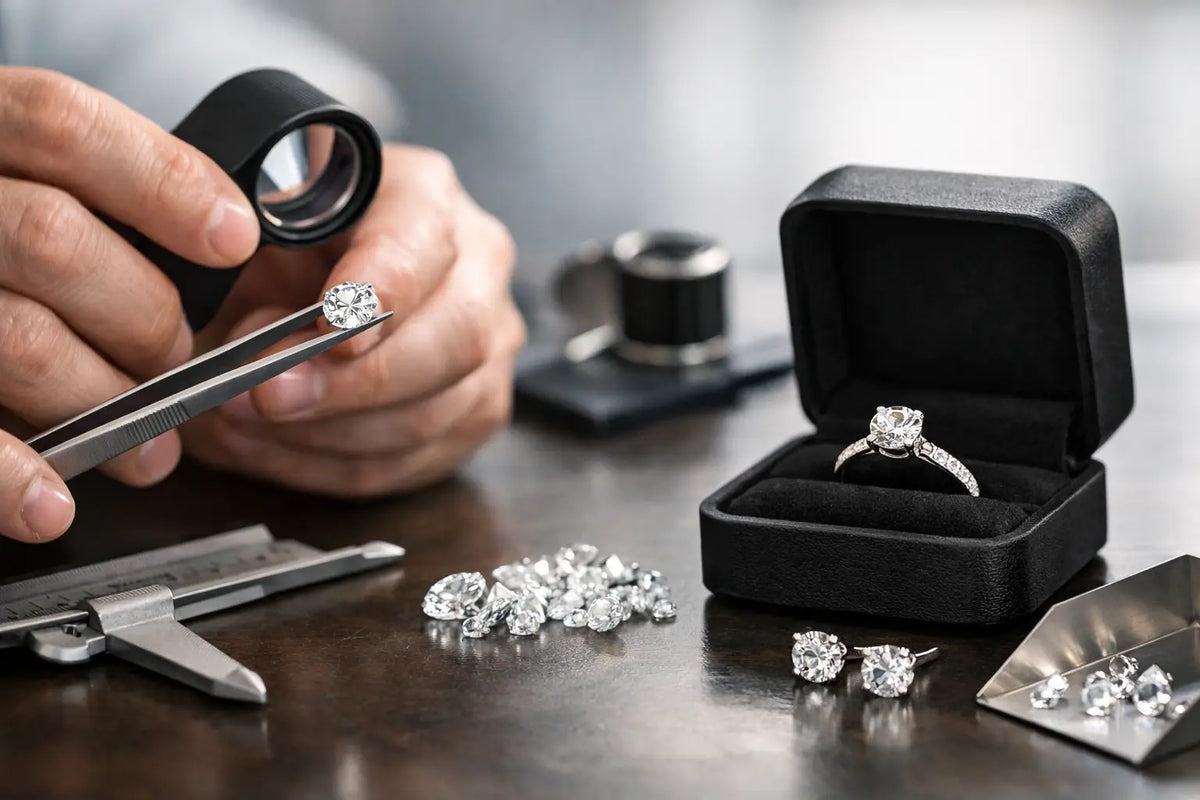
White gold’s cool, luminous tone complements the bright fire of diamonds beautifully. It creates a clean, contemporary setting that allows a colorless or near-colorless diamond to take center stage. This is true for both mined and lab-grown diamonds.
A lab-grown diamond has the same essential physical and optical properties as a mined diamond. It is exceptionally hard and well suited to frequent wear, while white gold provides the refined metal framework that brings its brilliance into focus. Together, they offer a modern expression of fine jewelry: beautiful, enduring, and considered.
Still, diamond hardness does not make a ring immune to damage. Diamonds can chip if struck at a vulnerable angle, and a ring’s metal setting can scratch, bend, or loosen before the stone itself shows any issue. Removing your ring before hands-on tasks remains one of the easiest ways to protect the entire piece.
What White Gold Can and Cannot Handle
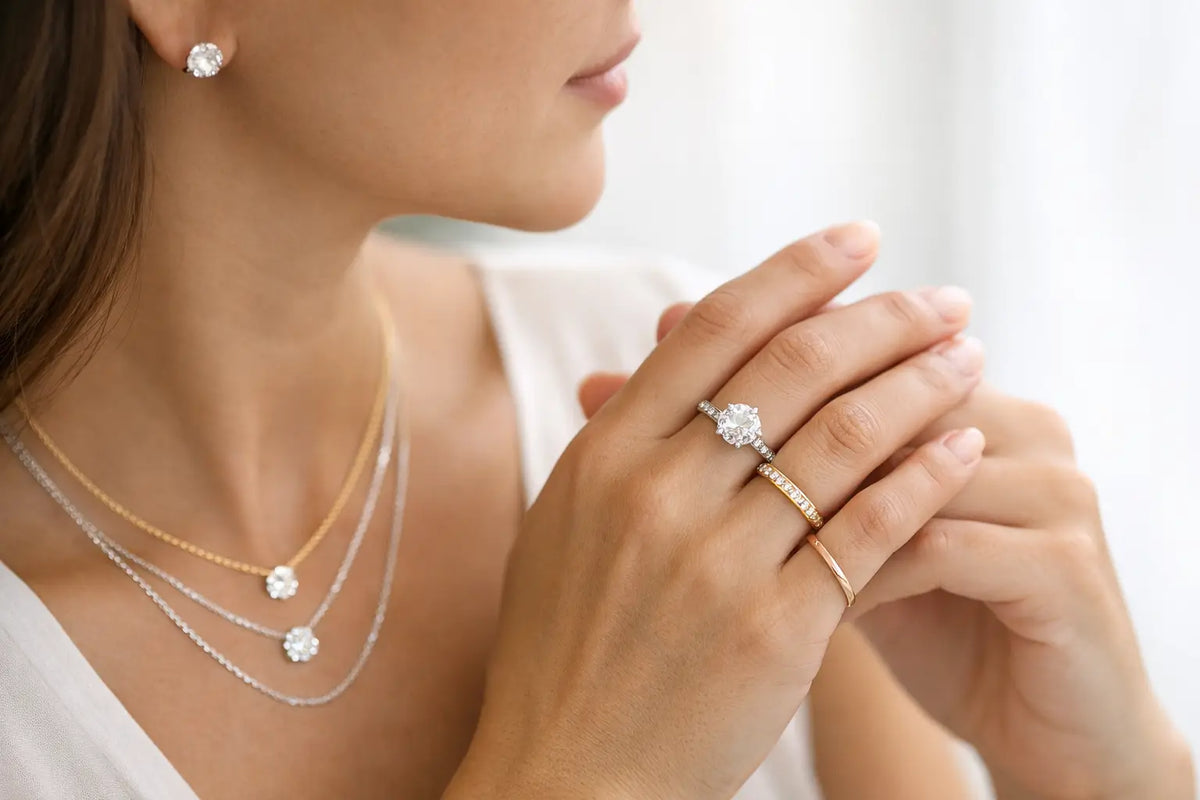
White gold handles normal daily activity well. Wearing it to the office, dinner, errands, celebrations, and most social occasions is entirely appropriate. Earrings and necklaces tend to experience less direct impact than rings, so they often retain their finish for longer with routine care.
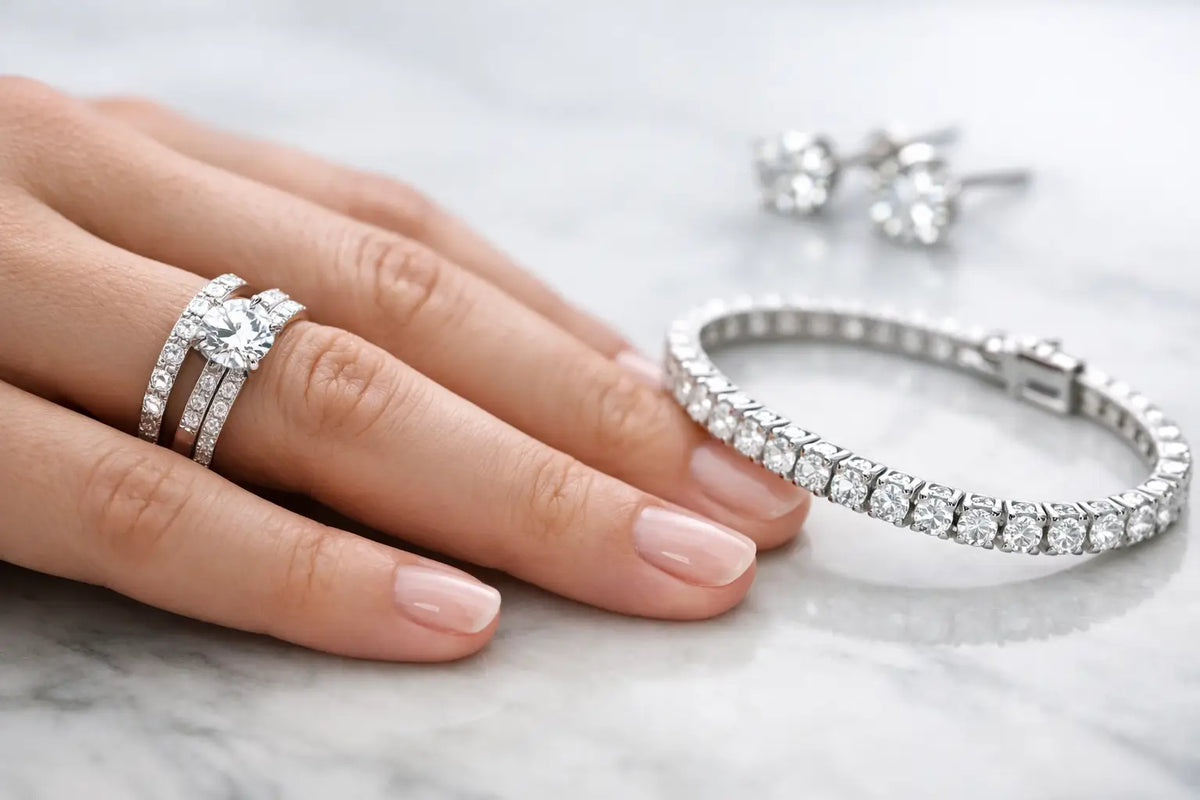
Rings and bracelets face more friction because they come into contact with desks, counters, bags, door handles, and exercise equipment. Fine scratches are a natural record of wear on any precious metal, including platinum and yellow gold. They do not diminish the quality of the jewelry, and professional polishing can refresh the surface when appropriate.
White gold should not be worn during activities that expose it to unnecessary force or chemicals. Take it off before weightlifting, rock climbing, gardening, household cleaning, swimming, or using harsh beauty products. Chlorine and strong cleaning agents can be especially unkind to precious metal alloys and finishes.
It is also wise to put jewelry on after applying lotion, perfume, hairspray, and sunscreen. These products can leave a film that dulls the metal and reduces the sparkle of a diamond. A small habit like this helps preserve the freshly polished look you love.
How to Care for White Gold Jewelry
A thoughtful routine keeps white gold looking luminous without asking much of you. Clean it gently at home using warm water, a small amount of mild dish soap, and a very soft brush. Rinse carefully, then pat dry with a lint-free cloth. Avoid abrasive toothpaste, rough cloths, and aggressive household cleaners, which can scratch the surface or wear down the rhodium finish.
Store each piece separately when possible. Diamonds can scratch other jewelry, and chains or prongs can tangle when stored loosely together. A fabric-lined jewelry box or soft pouch offers simple protection between wears.
For rings worn daily, periodic professional inspection is a worthwhile ritual. A jeweler can check the prongs, examine the setting, clean hard-to-reach areas, and advise whether replating or polishing would restore the finish. OROLEV’s lifetime warranty adds meaningful reassurance for fine jewelry chosen to become part of your everyday story.
Choosing White Gold With Confidence
White gold is a durable, sophisticated choice for anyone drawn to a cool-toned metal with classic appeal. Choose 14K white gold when daily resilience is a top priority, particularly for an engagement-style ring or a piece you rarely plan to remove. Consider 18K white gold if a higher gold content and a more luxurious precious-metal composition matter most, while accepting that it may require a little more care.
Above all, select a design that fits the way you live. The most meaningful jewelry is not hidden away for fear of wear. It is worn for the moments that matter, then cared for with the same intention with which it was chosen.