What Does Certified Lab Diamond Meaning Tell You?
A diamond’s sparkle may be the first thing you notice, but its documentation is what allows you to understand what you are truly buying. The certified lab diamond meaning goes far beyond a reassuring label: it refers to a lab-grown diamond accompanied by an independent grading report that identifies and evaluates its individual qualities. For an engagement ring, anniversary gift, or signature piece chosen for yourself, that clarity turns a beautiful purchase into a confident one.
Lab-grown diamonds have the same carbon crystal structure, brilliance, and lasting beauty as mined diamonds. A grading report gives the stone’s unique characteristics a clear, credible record, so you can compare diamonds with confidence and choose refined luxury that reflects both your style and your values.
What a Certified Lab Diamond Means
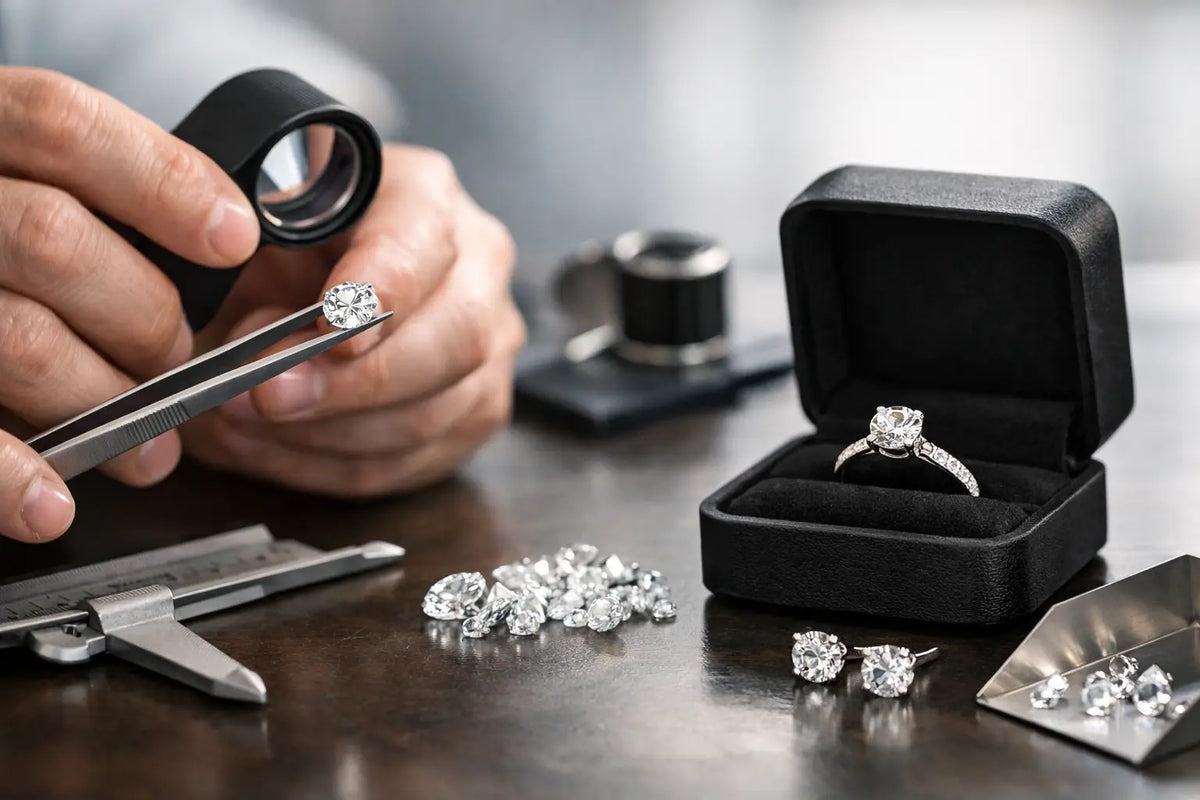
In jewelry, the word “certified” is commonly used to describe a diamond that has been assessed by an independent gemological laboratory. More precisely, the document is usually called a diamond grading report. It records the features of one specific loose diamond after trained gemologists examine it using established standards.
A certified lab-grown diamond is not a different category of diamond from an uncertified lab-grown diamond. Both are real diamonds created through advanced technology rather than extracted from the earth. The difference is verification. A report provides an objective description of the stone’s carat weight, color, clarity, cut-related details, proportions, and often other identifying information.
This distinction matters because two diamonds that appear similar in a product image can have meaningful differences in brilliance, size, or rarity. Certification gives you a shared language for comparing them. It is especially valuable when buying online, where thoughtful specifications help bring the shopping experience closer to an in-person viewing.
Certified Lab Diamond Meaning vs. a Diamond Certificate
“Certificate” and “grading report” are often used interchangeably, but there is a useful nuance. A laboratory does not typically guarantee that a diamond is a good investment, the right value for every shopper, or free from every future concern. Instead, it offers a professional assessment of the diamond at the time it is examined.
Think of the report as a detailed identity card for your diamond. It should state whether the stone is laboratory-grown and include a report number. Depending on the laboratory and diamond, that number may also be laser-inscribed on the diamond’s girdle, allowing the stone to be matched to its paperwork.
Reputable independent laboratories such as IGI and GIA issue grading documentation for lab-grown diamonds. Their report formats can differ, so a direct line-by-line comparison is not always perfect. Still, the central purpose remains the same: to offer transparent information about the diamond you are considering.
A jeweler’s product description is useful, but it is not a substitute for independent documentation. The strongest buying experience combines both: a clear product presentation from the jeweler and a grading report that verifies the stone’s defining characteristics.
How to Read a Lab-Grown Diamond Grading Report
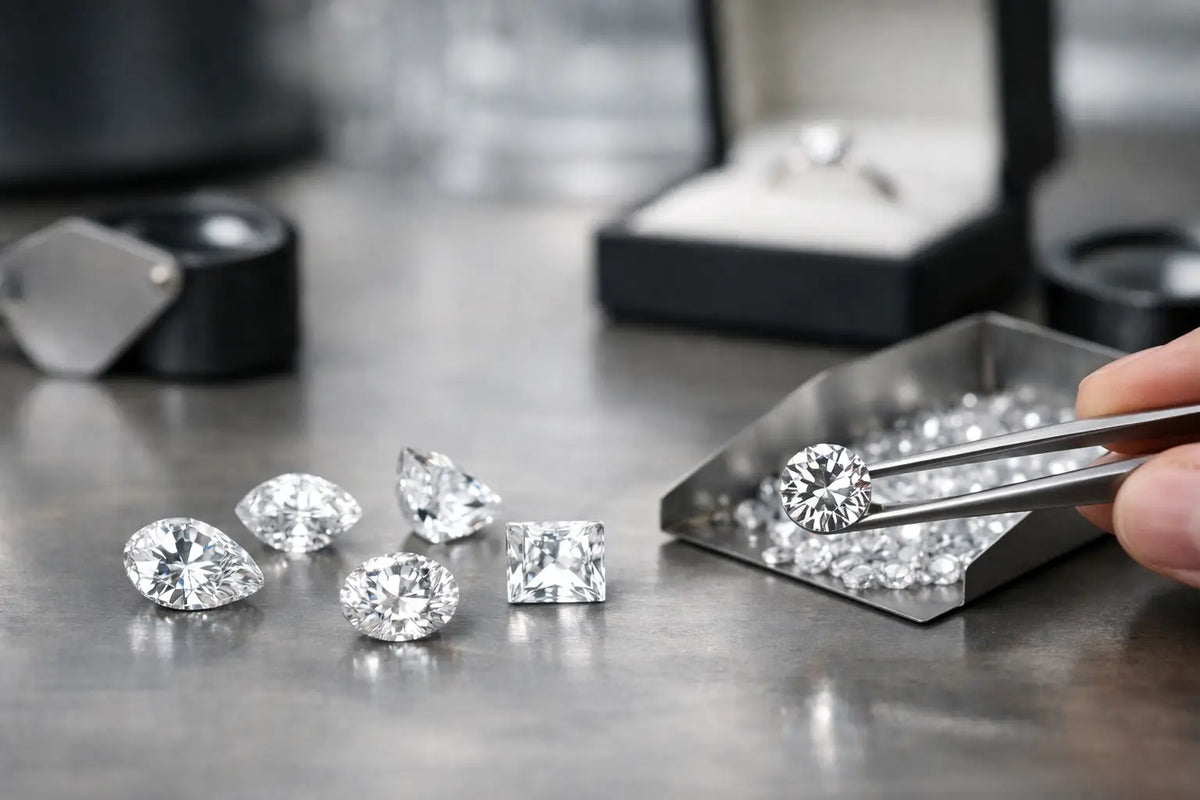
A report can look technical at first glance, yet the most meaningful information is straightforward. Start with the diamond’s shape and measurements. Shape describes its outline, such as round, oval, emerald, cushion, pear, or radiant. Measurements reveal the diamond’s physical dimensions, which influence how large it looks on the hand or in a pendant.
Carat Weight and Measurements
Carat is a measure of weight, not visible size alone. A 2-carat oval and a 2-carat round diamond will not necessarily face up the same way. Their proportions and shapes can create different visual impressions, even at equal carat weights.
This is one reason lab-grown diamonds are so compelling for design-minded shoppers. Their stronger price-to-carat value may allow you to prioritize the generous visual presence you want without compromising the precious-metal setting or overall craftsmanship.
Color, Clarity, and Cut
Color grades generally describe the presence or absence of noticeable color in a white diamond. Near-colorless diamonds often offer a beautifully bright appearance, particularly when set in yellow gold, while higher color grades can be appealing for shoppers seeking an especially icy white look in platinum or white gold.
Clarity describes internal characteristics, called inclusions, and surface characteristics, called blemishes. Higher clarity can be desirable, but the practical goal for many buyers is an eye-clean diamond: one whose inclusions are not readily visible without magnification. Placement, type, and size matter as much as the grade itself.
For round brilliant diamonds, a cut grade is often provided and deserves close attention. Excellent proportions and facet precision are central to lively sparkle. For fancy shapes such as ovals, cushions, and emerald cuts, reports may provide polish and symmetry rather than an overall cut grade. In those cases, measurements, proportions, imagery, and personal preference all help complete the picture.
Growth Method and Post-Growth Treatment
Some reports identify whether a lab-grown diamond was produced through Chemical Vapor Deposition, known as CVD, or High Pressure High Temperature, known as HPHT. Both methods produce real diamonds. Neither label alone determines whether one stone will be more beautiful than another.
A report may also disclose treatments used after growth. Disclosure is the key point. Transparent documentation lets you understand the diamond fully and make a decision based on the qualities that matter most to you.
What Certification Does Not Tell You
A grading report is essential, but it does not tell the complete story of a finished jewelry piece. It cannot determine whether a ring setting feels balanced on your hand, whether a necklace sits at your preferred length, or whether a design feels like it belongs to your story.
It also does not replace thoughtful craftsmanship. The security of prongs, finish of the metal, proportion of the setting, and quality of the final inspection shape how a piece performs and feels over time. A beautifully graded diamond deserves a setting made to showcase it.
Nor should certification be treated as a promise of resale value. Diamond markets change, and value depends on many factors beyond a report. Buy a diamond because you love its beauty, appreciate its verified quality, and want a meaningful piece designed for lasting wear.
Sustainability also calls for a thoughtful view. Lab-grown diamonds avoid the mining process and can offer a more transparent, lower-impact choice, but environmental impact can vary based on energy sources and production practices. Responsible luxury is strongest when it is paired with clear information rather than broad assumptions.
How to Shop for a Certified Lab-Grown Diamond With Confidence
Before choosing a diamond, review the report number and confirm that its key specifications match the listing. Look at the carat weight, shape, color, clarity, and measurements first. If you are comparing similar diamonds, pay close attention to cut quality for round stones and to proportions for fancy shapes.
Then bring the decision back to what you will actually see and wear. A slightly lower clarity grade may be an excellent choice if the diamond is eye-clean. A warm-toned gold setting can make a near-colorless diamond look luminous. An elongated oval or emerald cut may create the presence you want at a carat weight that feels considered rather than excessive.
Choose a jeweler that presents specifications clearly and stands behind the finished piece with meaningful customer care. At OROLEV, certified lab-grown diamonds, refined design, and enduring materials come together so you can select jewelry with both emotional resonance and practical reassurance.
The right diamond is not simply the one with the highest grades on paper. It is the one whose verified quality, captivating brilliance, and personal significance make every glance feel intentional.