Loose Diamond Purchasing Guide for Smart Buyers
A loose diamond gives you something a finished piece cannot: the freedom to choose the exact center of your story. Whether you are designing an engagement ring, updating a cherished setting, or selecting a meaningful gift, this loose diamond purchasing guide helps you focus on the details that create lasting brilliance, personal meaning, and exceptional value.
Start With the Jewelry You Want to Create
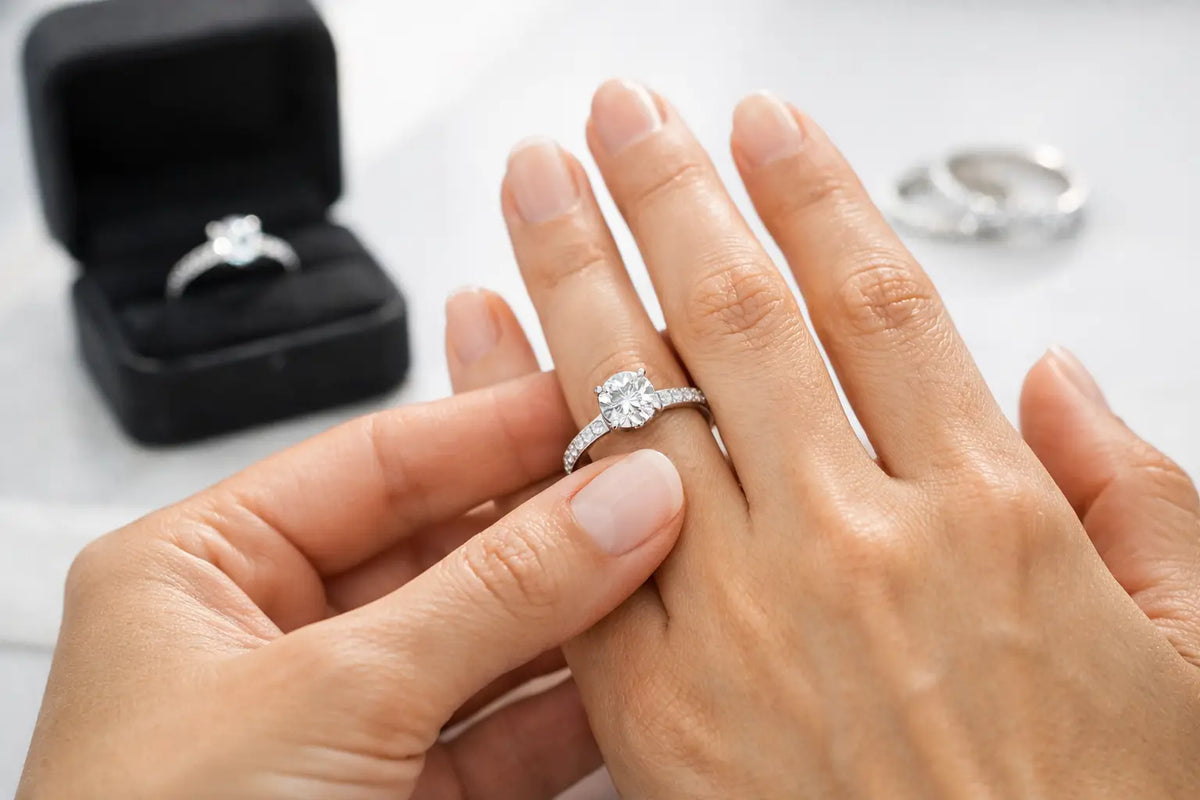
Before comparing diamond grades, picture the finished piece. A stone does not exist in isolation once it is set. Its shape, proportions, and carat weight should complement the design, the metal, and the person who will wear it.
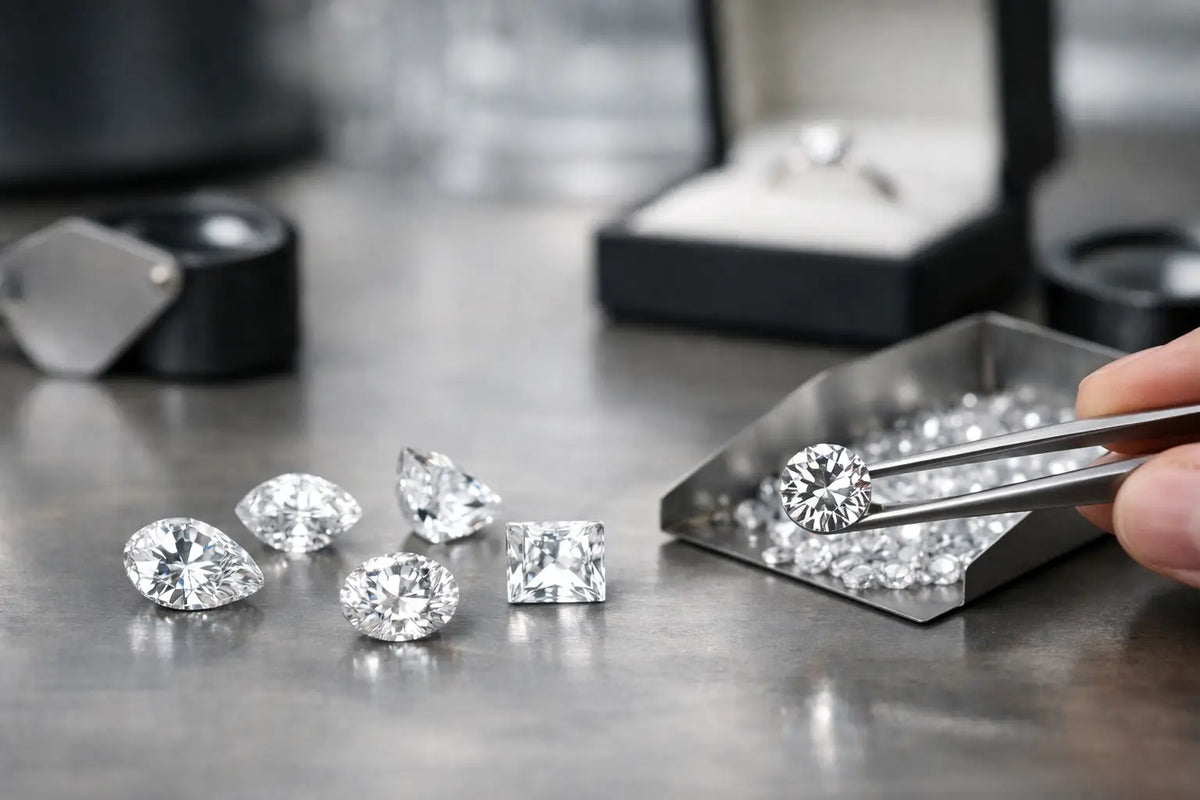
For an engagement-style ring, an elongated oval, emerald cut, or radiant cut can create an elegant, lengthening effect on the finger. Round brilliant diamonds offer classic fire and remarkable versatility, while cushion and pear shapes bring a softer, more romantic character. If the diamond is intended for a pendant or pair of earrings, you may prioritize face-up size and balanced proportions over the specific visual effect you might seek in a ring.
The setting matters just as much. A slim solitaire places the diamond at the center of attention. A halo can create a more expansive appearance, while a bezel offers a sleek, contemporary silhouette with added protection around the stone. Deciding on the design first makes every later choice more intentional.
The Four Cs: Where Beauty and Value Meet
The Four Cs - cut, carat, color, and clarity - provide the language for comparing diamonds. They are essential, but they do not all deserve equal weight in every purchase.
Cut Should Lead Your Decision
Cut is the quality factor most closely tied to sparkle. It describes how well a diamond’s facets interact with light, not its shape. A beautifully cut round diamond returns light with crisp brilliance, fire, and scintillation. In practical terms, it looks alive from across the room.
For round diamonds, look for Excellent or Ideal cut grades when available. Fancy shapes, such as oval, pear, marquise, emerald, and cushion, are assessed differently, so their visual performance should be considered alongside the grading report. Review product imagery carefully and look for an appealing balance of brightness, symmetry, and proportion.
A larger diamond with weak light performance can appear less compelling than a slightly smaller stone with exceptional cut. If your budget requires a compromise, preserve cut quality before increasing carat weight.
Carat Is Weight, Not Visible Size Alone
Carat measures a diamond’s weight, but two stones of the same carat weight can look different in size. Their measurements, depth, and shape influence how much surface area you see from above.
An oval or marquise diamond often appears larger than a round diamond of equal weight because of its elongated outline. A well-proportioned 1.50-carat stone may also look more refined than a deeper 1.70-carat diamond that carries too much of its weight below the girdle.
Consider the proportions of the wearer’s hand, the setting style, and everyday comfort. A diamond should feel beautifully considered, not chosen simply to reach a round-number carat milestone.
Color Is Best Chosen in Context
Diamond color is graded from D, which is colorless, downward through the alphabet as warmth becomes more visible. Colorless grades can be striking, particularly in platinum or white gold settings, but they are not the only beautiful choice.
Near-colorless diamonds can offer a sophisticated white appearance and excellent value, especially when paired with yellow or rose gold. The right range depends on shape, too. Step-cut diamonds, such as emerald cuts, tend to reveal color more readily than brilliant-cut shapes. Warmer color can be less noticeable in a round brilliant or cushion cut with lively faceting.
Rather than pursuing the highest grade by default, select a color that looks harmonious in your chosen metal and meets your preference for a bright, white appearance.
Clarity Should Be Judged by What You Can See
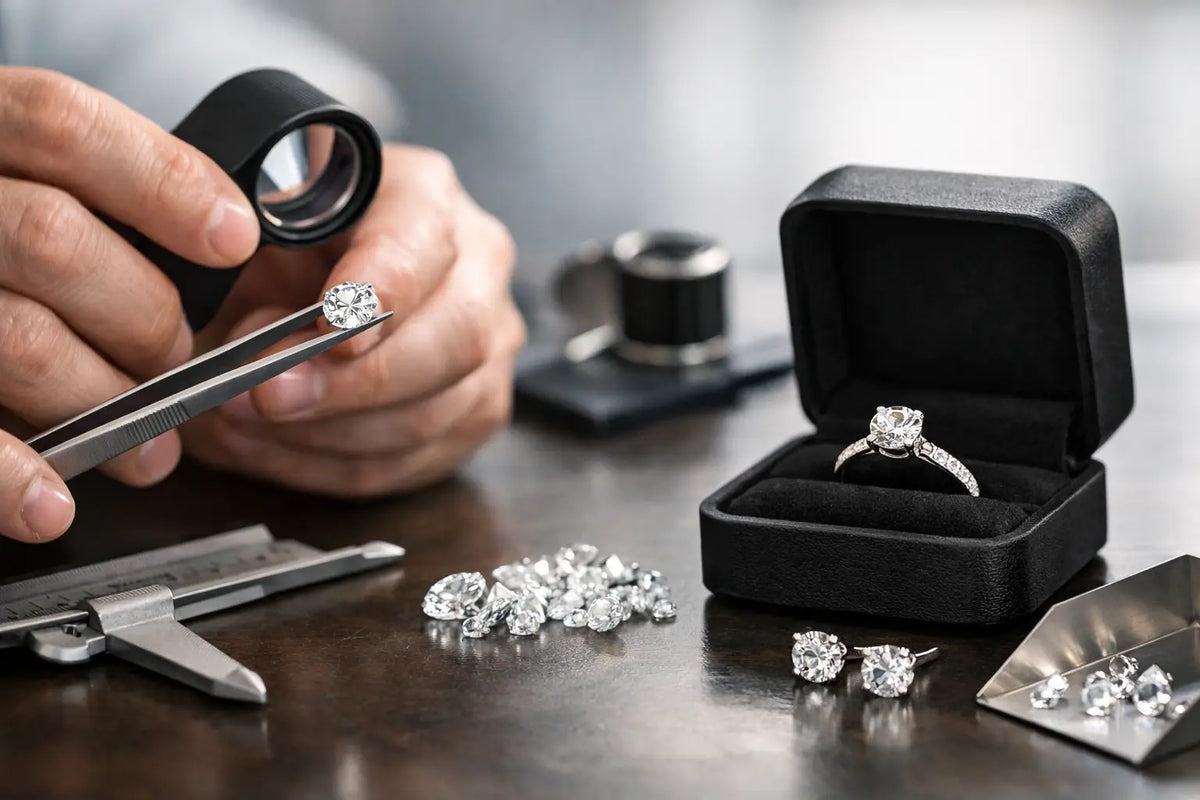
Clarity refers to internal characteristics, called inclusions, and surface characteristics, called blemishes. The grading scale ranges from Flawless to Included, but the most meaningful question for many buyers is simpler: does the diamond appear clean to the unaided eye?
An eye-clean diamond can be a thoughtful value choice because its inclusions are not readily visible in normal wear. Larger diamonds, emerald cuts, and other transparent step cuts may benefit from higher clarity because their broad facets make internal features easier to notice. In a brilliant-cut diamond, a slightly lower clarity grade can still look exceptionally clean and radiant.
Why Lab-Grown Diamonds Belong in the Conversation
Lab-grown diamonds have the same chemical composition, crystal structure, and optical properties as mined diamonds. They are real diamonds, graded according to the same core standards, with the added benefit of greater price-to-carat opportunity and a more modern sourcing story.
For many shoppers, that difference creates meaningful flexibility. A lab-grown diamond may allow you to choose a larger carat weight, stronger color or clarity, or a more detailed setting without moving beyond your intended budget. It also aligns beautifully with a purchase rooted in transparency, ethical considerations, and enduring style.
At OROLEV, certified lab-grown diamonds are selected to bring together refined beauty and accessible luxury. The goal is not simply to buy more diamond. It is to choose a stone that looks extraordinary in the jewelry you will wear and treasure.
Certification Is Your Foundation of Confidence
A diamond grading report is an independent record of the stone’s key characteristics. It should identify the diamond as lab-grown when applicable and document details such as carat weight, measurements, color, clarity, proportions, polish, symmetry, and any fluorescence information.
Read the report alongside the diamond listing rather than treating it as a substitute for visual evaluation. Certification verifies specifications; photos, videos, and design context help you understand how those specifications translate into beauty.
For loose diamonds, compare measurements in addition to carat weight. For round stones, diameter provides a helpful sense of visible scale. For elongated shapes, assess both length and width, as well as the length-to-width ratio that creates the silhouette you prefer. There is no single perfect ratio, but there is a proportion that will feel right for your design.
Set a Budget That Protects What Matters Most
A clear budget makes diamond shopping more enjoyable because it gives you permission to prioritize. Start with the total amount you want to spend on the diamond and setting together. Then decide which quality factors are non-negotiable for you.
If brilliance is your priority, direct more of the budget toward cut quality. If visual presence matters most, consider shapes that appear larger for their carat weight. If you are selecting white gold or platinum, you may prefer a higher color range. For yellow gold, you may find that a near-colorless stone offers an equally beautiful result at a more favorable price.
Avoid paying for distinctions you cannot appreciate in the finished jewelry. The difference between two adjacent clarity grades may be significant on paper but invisible when the diamond is set and worn. Thoughtful trade-offs are not compromises in taste. They are how you create a piece that feels elevated from every angle.
How to Buy a Loose Diamond Online With Confidence
An online purchase should still feel personal and precise. Look for detailed specifications, clear close-up imagery, certification information, and transparent policies around shipping, returns, warranties, and secure payment. These details reflect the level of care behind the purchase.
Take time to compare diamonds within the same shape and carat range. You may notice that one stone has a more balanced outline, a brighter appearance, or cleaner visual presentation despite similar grades. If a diamond will be set into a custom or existing mounting, confirm that its measurements and shape are compatible with the setting before purchase.
Also consider daily life. A high-set diamond can make a dramatic impression but may catch more easily on clothing. A lower profile, bezel, or protective prong setting can be especially practical for someone with an active routine. Fine jewelry should feel luxurious to wear, not precious in a way that keeps it in a box.
Let the Diamond Reflect the Meaning Behind It
The best loose diamond is not necessarily the one with the highest grades in every category. It is the one that brings together light, proportion, craftsmanship, and personal intention in a way that feels unmistakably yours.
Choose the stone that makes you pause when you see it: bright in the light, graceful in its shape, and perfectly suited to the piece of jewelry that will carry your story for years to come.