How to Prevent Ring Spinning for a Better Fit
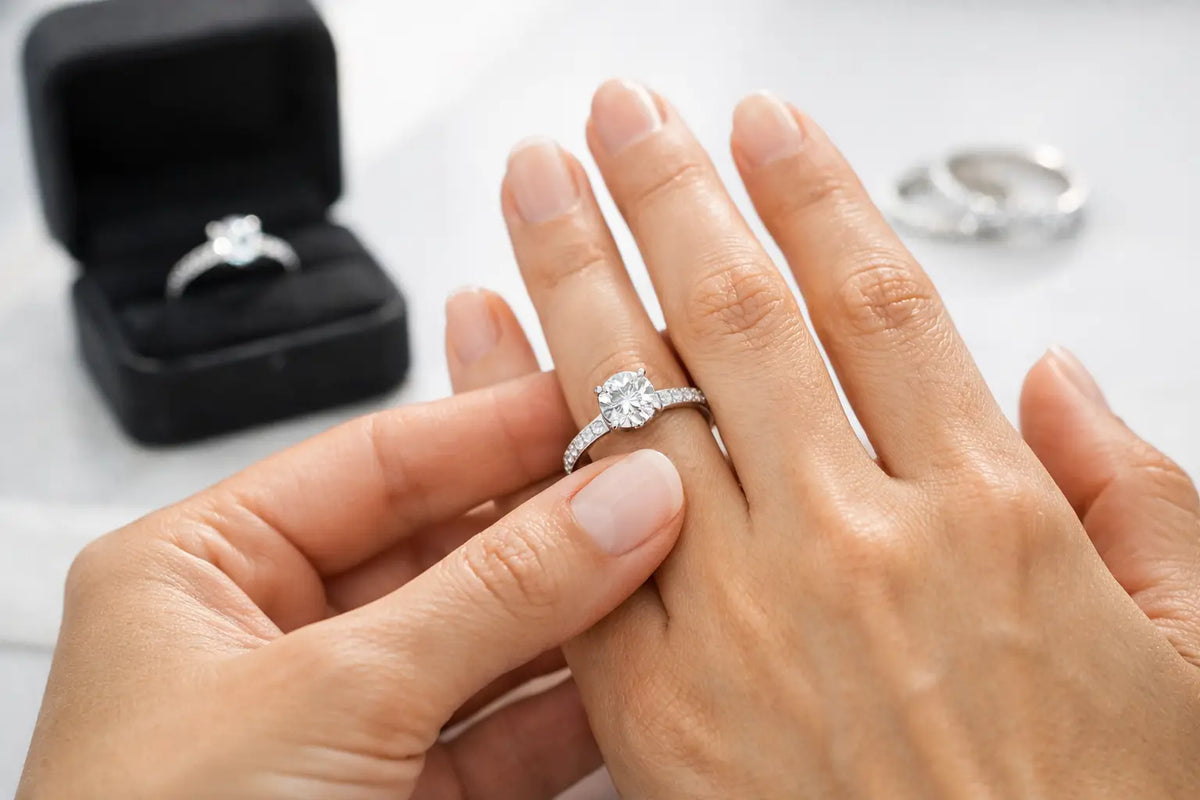
A diamond ring should settle beautifully on the hand, with its center stone facing forward and its details exactly where they were designed to be seen. If yours repeatedly turns to the side or spins underneath your finger, the answer to how to prevent ring spinning is rarely as simple as choosing a smaller size. The right solution depends on the ring’s design, weight, fit, and the natural changes your hands experience throughout the day.
A little movement is normal. Fingers expand in warmth, contract in cold weather, and can change slightly with hydration, activity, and time of day. But when a ring constantly rotates, feels insecure, or requires frequent adjustment, it can take away from the effortless confidence fine jewelry is meant to bring.
Why Rings Spin in the First Place
The most common reason is that the ring is too large at the base of the finger. A ring must pass over the knuckle, yet it should rest securely once it reaches the narrower part of the finger. For people with larger knuckles, finding that balance can be especially difficult. A size that slips comfortably over the knuckle may feel loose below it.
Design also matters. A substantial center stone, an elevated setting, or a wide halo places more weight on the top of the ring. Gravity naturally pulls that weight toward the palm, particularly when the shank is slim or the lower portion of the band is lightweight. This can happen even when the ring is technically the correct size.
Some rings spin because the band is slightly out of round after an impact or years of wear. Others feel loose only at certain times, such as during winter, after swimming, or in heavily air-conditioned spaces. Before making a permanent adjustment, pay attention to when and how the spinning happens. That detail helps determine whether the issue is sizing, balance, or daily fluctuation.
How to Prevent Ring Spinning With the Right Fit
A professional ring sizing is often the most polished long-term answer, but it is not automatically the best first move. If your ring spins all day, slides easily over the knuckle, or feels at risk of coming off, resizing may be appropriate. A jeweler can assess the fit while accounting for your knuckle, the width of the band, and the ring’s setting.
For a ring with a classic plain shank, sizing down can create a more secure fit without changing its visual character. However, resizing is not ideal for every design. Eternity bands, intricate engraved shanks, tension-style settings, and rings with diamonds extending around the band may have limits on how much they can be altered. A skilled jeweler should inspect the construction before recommending a change.
It is also wise to avoid sizing a ring when your fingers are unusually swollen or unusually cold. Try it at different points during the day for several days. A well-fitted ring should require a gentle twist to remove, feel comfortable when your hands are warm, and remain secure without leaving a deep indentation.
Consider the Width of the Band
Band width can make a surprising difference. Wider bands have more contact with the finger and often feel snugger than narrow bands in the same numerical size. If you are selecting a new diamond ring, trying on similar widths can help you choose a size that feels considered from the beginning.
A refined, slim band beautifully highlights a lab-grown diamond, especially in solitaire and pavé designs. Yet a very delicate shank paired with a larger center stone may be more prone to rotation. The goal is not to sacrifice elegance for stability. It is to select proportions that complement both the diamond and the hand.
Discreet Ring Adjustments That Add Stability
When a ring fits well over the knuckle but rotates once it is in place, a jeweler can add a subtle fit feature to the inside of the shank. These solutions preserve the ring’s outward beauty while improving how it sits on the finger.
Sizing beads are small, polished metal beads placed inside the lower portion of the band. They create a gentle point of resistance at the knuckle and help keep the ring upright afterward. They are especially effective for fingers that taper noticeably from knuckle to base, and they can often be added without a full resize.
A spring insert is another option. This slim, flexible piece of metal sits inside the band and compresses as the ring passes over the knuckle, then expands for a closer fit. It can be a thoughtful choice for someone whose ring size changes often or who needs a little more room to put the ring on and take it off.
For a temporary, at-home option, clear ring adjusters can reduce movement on the lower shank. They are practical for testing how a tighter fit feels, traveling during colder months, or wearing a ring while you decide on a permanent solution. Choose a soft, jewelry-safe style and remove it periodically to clean both the ring and the adjuster. These pieces are useful, but they are not a replacement for a professional assessment if the ring regularly feels unsafe.
Balance the Setting, Not Just the Size
If a ring is correctly sized but the center still turns toward the palm, the setting may be top-heavy. This is common with larger carat weights, elongated diamond shapes, and high-set designs. An oval, pear, marquise, or emerald-cut diamond can have a graceful presence on the hand, though its proportions may create more rotational pull than a lower-profile setting with a broader base.
One solution for a new ring is to choose a slightly wider shank, a cathedral setting with supportive shoulders, or a lower basket that brings the diamond closer to the finger. These details can add stability while preserving a light, refined silhouette. A well-designed setting distributes visual and physical weight with intention.
For an existing ring, a jeweler may be able to assess whether the shank can be reinforced or whether fit beads will offset the top weight. Major modifications should be approached carefully, particularly with a diamond engagement ring or a piece with sentimental value. The best adjustment is the least invasive one that delivers dependable comfort.
Pairing Rings Can Help, With One Caveat
A wedding band worn beside an engagement ring can provide gentle support and reduce rotation. A contoured band or a carefully matched stack may create a more anchored feel, while adding another layer of personal style. This is often an elegant option for rings that only shift slightly.
The caveat is friction. Rings that rub together can gradually wear at their metal edges, especially when worn every day. Choose bands designed to sit together properly, and have them inspected periodically for signs of wear. Fine jewelry should look effortless, but its longevity benefits from thoughtful care.
Protect Your Ring’s Fit Through Seasonal Changes
A ring that fits perfectly in July may feel loose in January. Cold temperatures reduce swelling in the fingers, while heat, exercise, salty foods, and travel can make fingers expand. Rather than making immediate permanent changes based on one week of discomfort, observe the pattern across different conditions.
Remove rings before swimming, gardening, intense workouts, or handling heavy equipment. Beyond the risk of loss, these activities can expose your jewelry to impact, residue, and unnecessary pressure. Store your ring in a clean, designated place when it is not on your hand, rather than balancing it near a sink or slipping it into a pocket.
Regular cleaning also matters. Lotions and soap residue can make a ring feel slicker than usual, contributing to movement. Gently clean your diamond jewelry with warm water, mild soap, and a soft brush, then dry it thoroughly with a lint-free cloth. For settings with delicate pavé details or intricate workmanship, professional cleaning and inspection offer added reassurance.
When to See a Jeweler Promptly
Ring spinning itself is usually a comfort and fit issue, but sudden spinning can signal a change worth checking. If a ring that once fit securely becomes noticeably loose, inspect it for a bent band, worn prongs, or damage after an impact. Likewise, if it begins to feel tight, do not force it off. Swelling can be temporary, but persistent changes deserve professional guidance.
A trusted jeweler can evaluate the ring’s structure, confirm its size, and recommend an adjustment that respects the craftsmanship of the piece. For diamond jewelry designed to mark a meaningful moment, that expertise protects both its brilliance and the story it carries.
The finest fit is one you barely notice: secure through a busy day, comfortable in quiet moments, and always ready to place its diamond exactly where it belongs.