Solitaire Ring Shopping Guide for Lasting Brilliance
A solitaire ring is a study in intention: one exceptional diamond, placed where its light can speak for itself. That apparent simplicity is exactly why each detail matters. This solitaire ring shopping guide is designed to help you select a piece with timeless elegance, from diamond proportions and certification to the setting and metal that will make it feel unmistakably yours.
For an engagement, anniversary, milestone, or personal celebration, a solitaire offers refined luxury without competing for attention. It is also one of the most versatile diamond ring styles - equally at home with a tailored white shirt, an evening dress, or a stack of meaningful bands.
Start With the Diamond, Not the Carat Number
Carat weight is often the first specification shoppers see, but it is only one measure of a diamond's presence. Two diamonds with the same carat weight can look noticeably different depending on their shape, cut, and proportions. A well-cut diamond returns light beautifully, creating the crisp brilliance that gives a solitaire its signature impact.
For a round brilliant diamond, cut should be a leading priority. Its faceting is engineered for exceptional sparkle, and it remains the most classic choice for a solitaire. Oval, pear, marquise, and emerald cuts create a more distinctive silhouette. Elongated shapes can make the finger appear longer, while an emerald cut brings a calm, architectural flash rather than the scintillation of a round stone.
Lab-grown diamonds offer the same optical, chemical, and physical properties as mined diamonds. Choosing a certified lab-grown diamond can allow more room in the budget for a larger carat weight, a higher color grade, or a setting crafted in precious metal. The right balance depends on what you notice most when you look at a ring: size, brightness, icy color, or a particular shape.
Use Color and Clarity Strategically
In a solitaire, the diamond is the entire focal point, so color and clarity deserve close attention. Near-colorless diamonds in the G through H range can appear beautifully white when paired with white gold, while warmer tones may look especially harmonious in yellow gold. If you prefer a crisp, luminous appearance, a higher color grade can be worthwhile.
Clarity is about the inclusions and surface characteristics formed as a diamond grows. The practical goal is an eye-clean stone - one whose inclusions are not visible without magnification. This is often a smarter standard than simply choosing the highest possible clarity grade. A certified diamond provides an independent record of its grading details, giving you a clear basis for comparison.
Choose a Solitaire Setting That Fits Your Life
The setting controls more than the ring's style. It affects how high the diamond sits, how much light reaches it, how protected it is, and how the ring feels during daily wear.
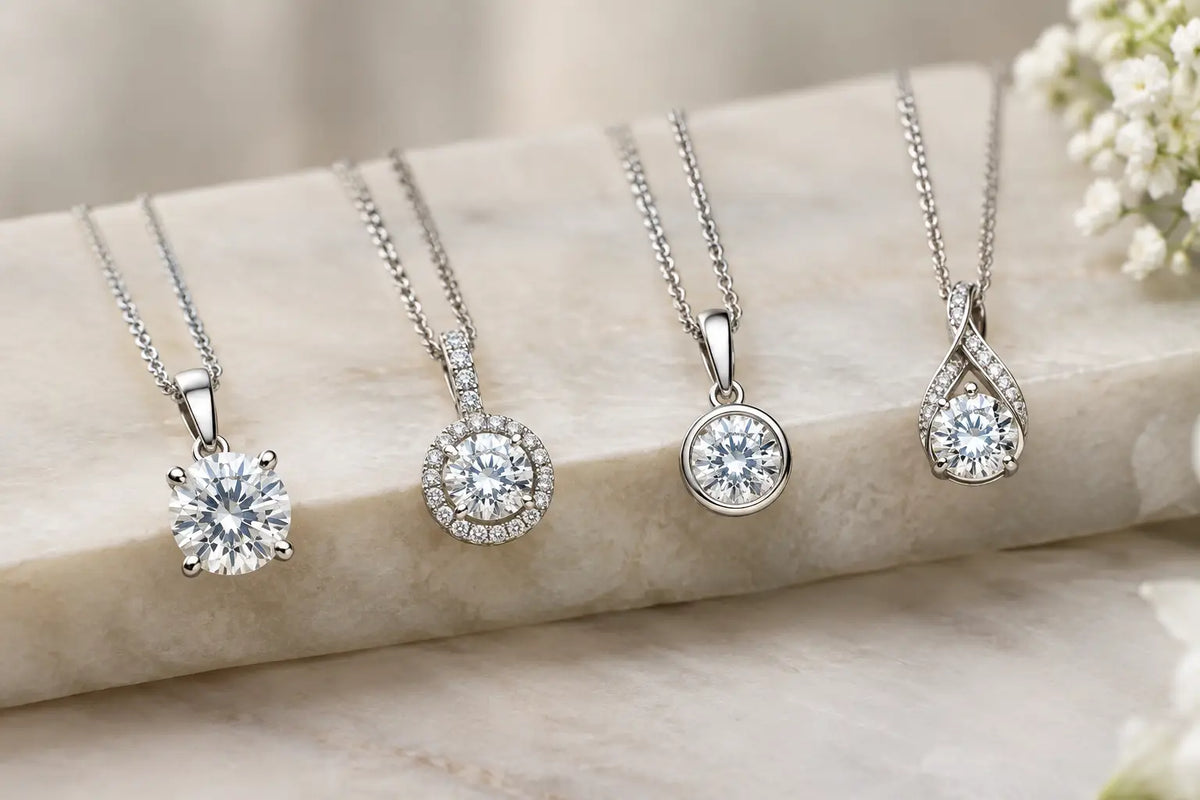
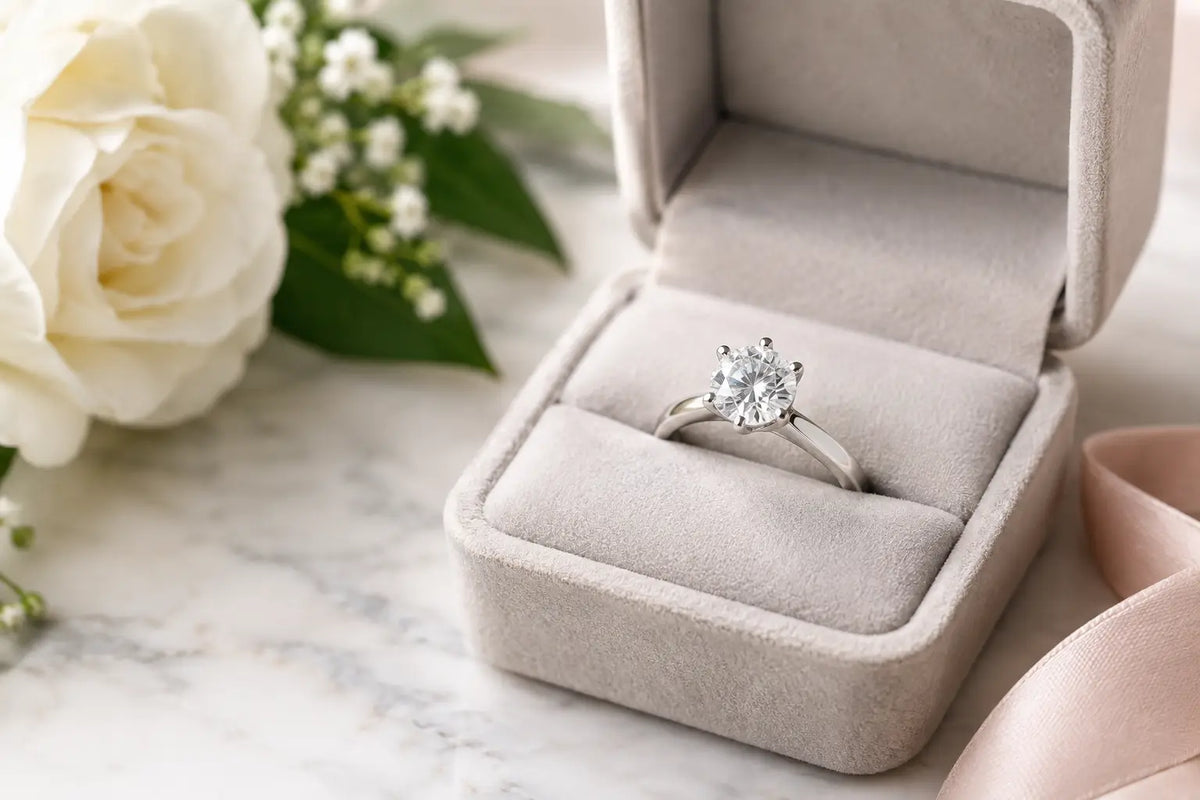
A prong setting is the enduring solitaire classic. Four prongs reveal more of the diamond and create a clean, minimal outline. Six prongs add a traditional, slightly more protective frame, particularly beautiful with a round brilliant stone. If you love the look of the diamond floating above the band, a classic prong setting is difficult to surpass.
A bezel setting surrounds the diamond's edge with a smooth rim of metal. It has a sleek, contemporary character and offers excellent protection for an active lifestyle. The trade-off is visual: a bezel can make the stone appear a touch smaller from above than an open prong setting, though many shoppers appreciate its polished, modern presence.
For those drawn to extra dimension, a cathedral setting raises the diamond with graceful arches beneath it. This gives the ring an elevated profile and a sense of ceremony. A lower-profile setting, by contrast, may be more comfortable if you work with your hands, wear gloves often, or simply prefer jewelry that sits close to the finger.
Select a Shape With Personality
A solitaire is never generic when the diamond shape reflects the wearer. Round is brilliantly classic and endlessly versatile. Oval feels soft, luminous, and flattering, with a larger visual spread than many round diamonds of the same carat weight. Cushion cuts bring romantic curves and a gentler glow, while radiant cuts pair a rectangular outline with vivid sparkle.
Emerald and asscher cuts appeal to lovers of quiet confidence. Their broad, stepped facets highlight clarity and create elegant flashes of light rather than a glittering surface. Because these shapes reveal more of the diamond's interior, choosing an eye-clean stone with a strong clarity grade becomes especially relevant.
There is no universally best shape. Try to picture the ring from a few feet away, not only in a magnified product image. Consider the outline that feels most natural on your hand and the character you want it to carry for years.
Pick a Metal That Complements the Diamond
Metal color changes the mood of a solitaire immediately. White gold offers a bright, contemporary frame that emphasizes a diamond's cool brilliance. Yellow gold brings warmth and a heritage-inspired elegance, creating a beautiful contrast with a near-colorless diamond. Rose gold feels romantic and distinctive, with a soft blush that can make a classic design feel more personal.
For everyday fine jewelry, 14K gold is an excellent balance of precious-metal beauty and durability. It has enough gold content to feel luxurious while offering practical resilience for frequent wear. Your choice can also be guided by the jewelry you already wear most often. A solitaire should feel like part of your wardrobe, not an exception to it.
The band width deserves a moment of consideration as well. A slim band makes the center diamond appear more prominent and delicate. A slightly wider band creates visual grounding and can feel more substantial on the hand. Neither is better - the right proportion is the one that makes the diamond and metal look intentional together.
Read the Specifications With Confidence
Shopping online can be wonderfully precise when the details are presented clearly. Review the diamond certificate, carat weight, color, clarity, shape, metal type, and ring measurements before purchasing. Product photography is useful for style, but specifications explain the craftsmanship behind the image.
Pay attention to the diamond's measurements, not just its carat weight. An oval or marquise diamond with a generous face-up size may look larger than another stone at the same weight. For elongated shapes, the length-to-width ratio influences whether the silhouette appears softly rounded, balanced, or dramatically slender.
Also consider the practical assurances behind the ring. Complimentary shipping, a clear return window, secure payment options, a lifetime warranty, and certified stones turn a meaningful purchase into a more confident one. OROLEV pairs these customer-first standards with lab-grown diamond jewelry designed to bring modern values and enduring beauty into the same piece.
Make Room for the Ring's Future
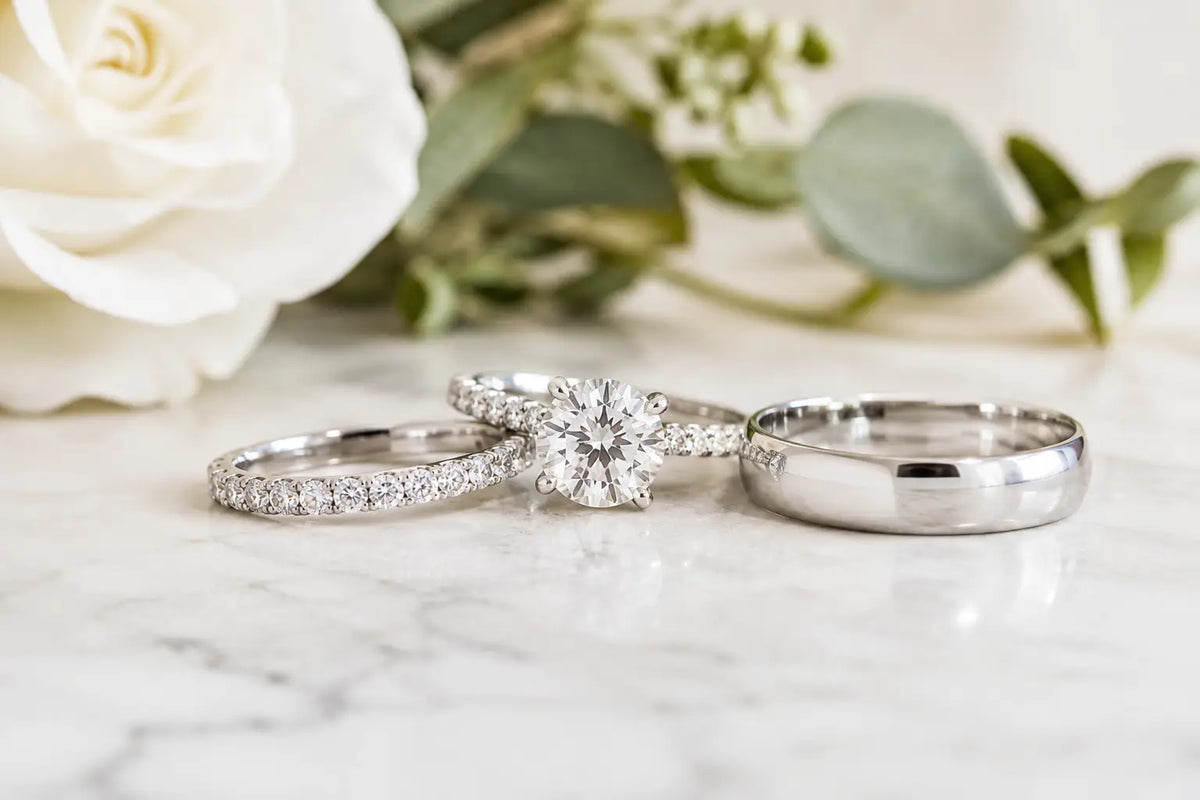
A solitaire often marks a beginning, but it should also have room to evolve. If you may add a wedding band or anniversary ring later, look at the solitaire from the side. A setting with enough clearance can allow a band to sit flush against it. Some low-set designs may require a curved or contoured band instead.
Think beyond the proposal or unboxing moment. Consider how the ring will look beside a plain gold band, diamond eternity band, watch, or everyday bracelet. The strongest solitaire designs are singular enough to stand alone and restrained enough to complement the jewelry you will collect over time.
A thoughtful solitaire does not need to chase every trend to feel personal. Choose the diamond that catches your eye in an instant, the setting that suits your daily rhythm, and the metal that feels at home against your skin. When those choices align, the result is more than a beautiful ring - it is jewelry that tells your story with enduring clarity.