Diamond Solitaire Pendant Styles to Know
A diamond pendant often becomes the piece you reach for before anything else: the finishing detail over a crisp white shirt, the quiet brilliance at a dinner reservation, the meaningful gift worn close to the heart. Among all diamond solitaire pendant styles, the right choice comes down to more than the stone alone. Its setting, shape, scale, chain, and metal determine whether it reads as classic, modern, delicate, or quietly bold.
A solitaire pendant features one central diamond, allowing its cut and light performance to take center stage. With a certified lab-grown diamond, that brilliance comes with a thoughtful advantage: the same physical, chemical, and optical beauty as a mined diamond, paired with transparent sourcing and exceptional value per carat. The result is refined luxury designed for real life.
The Classic Prong-Set Solitaire
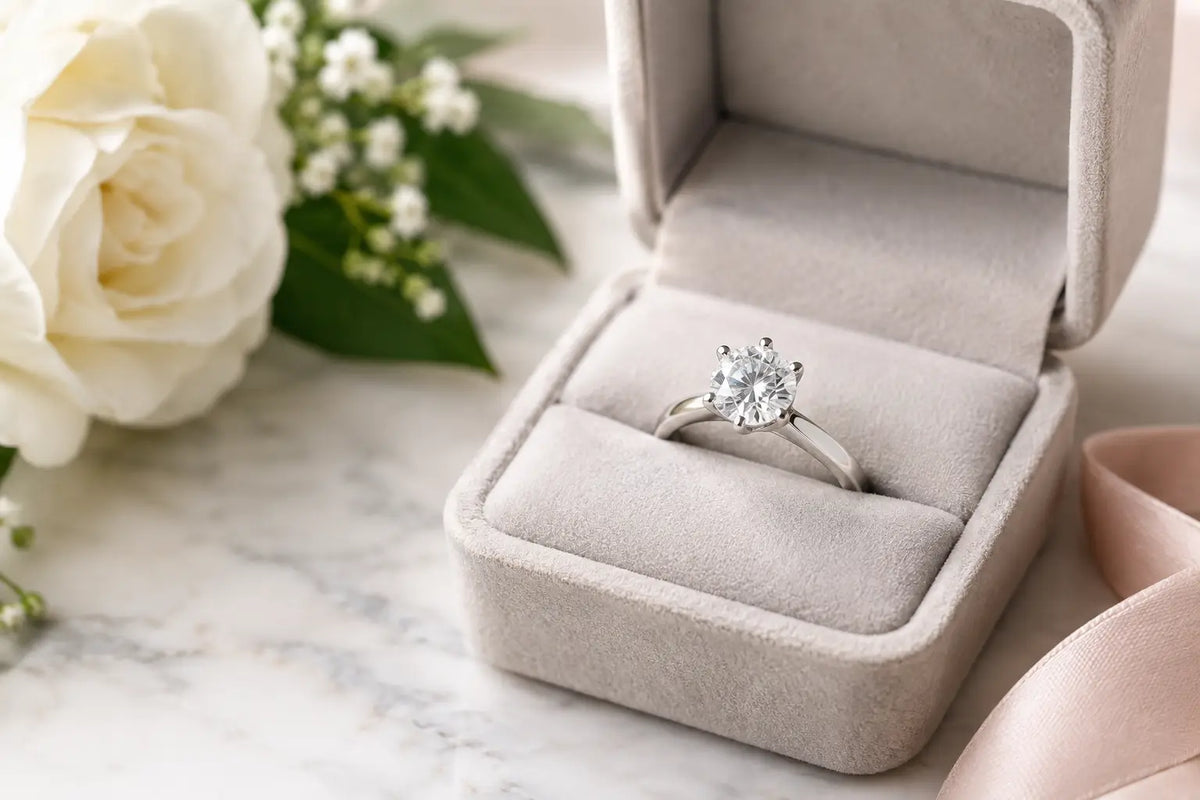
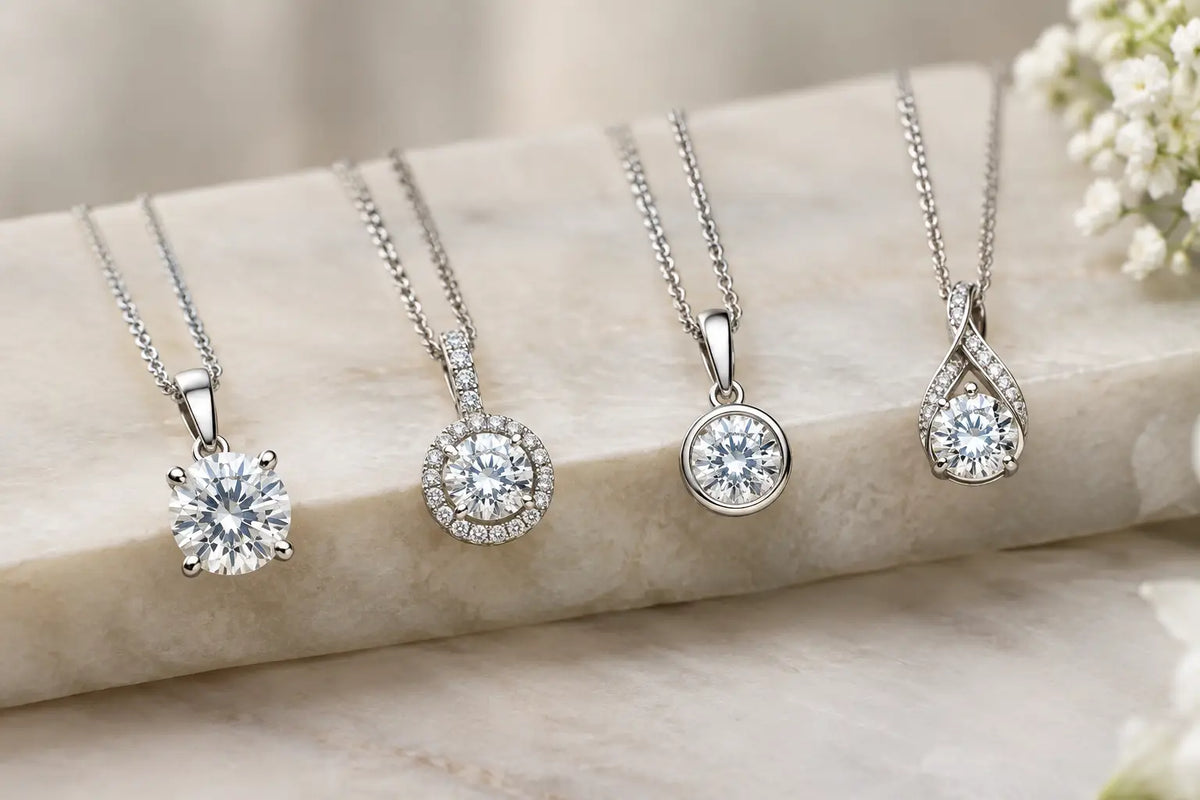
The prong setting is the signature silhouette many people picture when they imagine a diamond pendant. Small metal prongs hold the diamond securely while leaving much of its surface open to the light. This creates a bright, airy presentation that gives the stone maximum visual presence.
Four-prong settings feel clean and contemporary, often revealing more of a round or fancy-shaped diamond. Six-prong settings create a more traditional, flower-like outline around a round brilliant diamond and offer an added sense of security. Both are elegant choices, though prongs do require occasional inspection over the life of the necklace. If one catches on knitwear or becomes loose, a professional jeweler should assess it before continued wear.
For someone building a first fine-jewelry wardrobe, a round brilliant diamond in a classic prong setting is difficult to surpass. It is timeless without feeling expected, and it moves naturally from everyday wear to more formal moments.
Bezel Diamond Solitaire Pendant Styles
A bezel setting frames the edge of a diamond with a slim, polished rim of precious metal. It has a sleek, architectural quality that feels especially at home in a modern jewelry collection. The metal border can be full, wrapping around the entire diamond, or partial, leaving select areas open for a lighter effect.
This style is a practical favorite for an active lifestyle. Because the diamond sits more protected than it would in a raised prong setting, a bezel pendant is less likely to snag. It also offers a beautiful way to make a delicate diamond feel more intentional, particularly in warm 14K yellow gold.
The trade-off is subtle but worth understanding. A full bezel covers more of the diamond’s perimeter, so it may not appear quite as open or airy as a prong-set stone of the same specifications. In return, you gain a polished, contemporary outline and excellent day-to-day wearability. Oval, pear, and emerald-cut diamonds look particularly distinctive in bezel settings because the metal follows their individual geometry.
Floating and Martini Settings
For a pendant that seems to hover on the neckline, consider a floating or martini-style setting. These designs are engineered to keep the focus on the diamond, using minimal visible metal and a discreet bail or integrated attachment point. The effect is light, refined, and beautifully understated.
A martini setting is typically shaped like a shallow cone beneath the diamond. It can allow a stone to sit close to the chain and face forward with impressive brilliance. Because it is so minimal, this style works especially well with round brilliant, oval, and pear-shaped diamonds.
The detail to watch is how the pendant hangs. A well-made design should rest face-up rather than flip frequently as you move. Chain weight, the placement of the bail, and the diamond’s proportions all affect this. A slightly more substantial setting may be the better choice if you want a larger carat weight that stays balanced against the body.
Choose a Diamond Shape That Reflects Your Style
Setting style creates the frame, but diamond shape establishes the personality. A round brilliant is known for exceptional sparkle and universal appeal. It feels at once familiar and luxurious, making it a confident choice for gifting when you are unsure of the recipient’s personal preference.
Oval diamonds offer an elongated silhouette that can appear larger than a round diamond of comparable carat weight. They bring softness and movement to a pendant, particularly in a simple four-prong setting. Pear-shaped diamonds feel romantic and slightly more expressive. Wear one point-up for a traditional teardrop effect, or point-down for a sharper, more contemporary line.
Emerald-cut diamonds offer a distinct kind of beauty. Their long, linear facets create flashes of light rather than the all-over sparkle of a round brilliant. This is a poised, design-led choice for those drawn to clean lines and quiet confidence. Because emerald cuts reveal more of the diamond’s interior, color and clarity become more noticeable, making thoughtful stone selection especially valuable.
Cushion-cut diamonds bring softened corners and a romantic, luminous character, while princess-cut diamonds introduce crisp geometry. Neither is inherently better. The most compelling pendant is the one whose silhouette feels natural to the wearer, whether that means classic brilliance or a less expected shape.
Carat Weight, Proportion, and Everyday Presence
A solitaire pendant does not need to be oversized to make an impression. In fact, a diamond between subtle and statement size often becomes the most frequently worn piece because it works with nearly everything. The ideal carat weight depends on your preferred level of visibility, your neckline, and the setting you choose.
A smaller diamond in a finely made prong setting can feel delicate and intimate. A larger diamond in a bezel setting may read more graphic and modern. Shape also changes perceived size: ovals, pears, and marquise diamonds often create more visible spread than round diamonds at the same carat weight.
Consider the pendant in proportion to the chain. A very fine chain paired with a substantial center stone can look dramatic, but it should be strong enough to support the setting securely. A balanced design feels effortless rather than overly precious. For a piece intended for frequent wear, durability deserves as much attention as visual scale.
Metal Color Changes the Mood
Metal choice has an immediate effect on a solitaire pendant’s character. White gold creates a crisp, luminous backdrop that emphasizes the diamond’s bright white appearance. It is a natural choice for a streamlined, contemporary look and for diamonds in the near-colorless range.
Yellow gold brings warmth and contrast. Its rich tone makes a clear diamond appear especially luminous, while also giving the pendant a more personal, enduring feel. It pairs beautifully with vintage-inspired wardrobes, layered chains, and warmer skin tones, though style preference matters more than any rule.
A mixed-metal approach can offer the best of both worlds. A white gold setting around the diamond can preserve a clean visual frame, while a yellow gold chain brings warmth to the overall necklace. This is an elegant option for someone who wears both metal colors and wants a pendant that integrates easily with an existing jewelry collection.
Chain Length Is Part of the Design
A diamond can be beautifully cut and expertly set, yet still feel wrong if the chain length does not suit the wearer. A 16-inch chain places the pendant near the base of the neck and offers a delicate, classic look. An 18-inch chain is the versatile standard for many adults, allowing the diamond to rest just below the collarbone. A 20-inch chain creates a more relaxed, elongated effect and layers well with shorter necklaces.
Adjustable chains provide useful flexibility, particularly for a gift. They allow the wearer to change the placement depending on a neckline or layer the pendant with other pieces. Look for a secure clasp and a chain with enough substance to match the diamond setting. Fine jewelry should feel graceful, never fragile.
What to Look for in a Lab-Grown Diamond Pendant
The beauty of a solitaire is its honesty. There are no extra design details to distract from the diamond, so cut quality matters deeply. Prioritize a stone with lively brilliance and balanced proportions. For round diamonds, an excellent cut can make a meaningful difference in sparkle; for fancy shapes, look closely at the overall outline, symmetry, and how the facets perform in the light.
Color and clarity should be chosen with the setting and shape in mind. A well-selected near-colorless diamond can look exceptionally white once set, while an eye-clean clarity grade can provide beautiful value without visible inclusions. Certified lab-grown diamonds make this process more transparent, giving you confidence in the stone’s documented characteristics.
At OROLEV, the appeal is not simply a diamond pendant that photographs beautifully. It is a finely considered piece of jewelry made to hold its brilliance through the moments that become part of your story. Choose the setting that feels most like you, then let it become the signature detail you never need to overthink.