Sustainable Luxury Jewelry Trends to Know
A diamond no longer needs a distant origin story to feel extraordinary. The most compelling sustainable luxury jewelry trends place beauty, craftsmanship, and transparency in the same setting - giving modern collectors the freedom to choose brilliance that reflects both their style and their values.
For an engagement ring, a milestone gift, or a piece chosen simply because it feels like you, the new standard is not sacrifice. It is thoughtful luxury: exceptional materials, enduring design, clear specifications, and a purchase you can feel confident wearing for years.
Sustainable Luxury Jewelry Trends Are Becoming More Personal
Sustainability in fine jewelry is often discussed in broad terms, but shoppers are making decisions in deeply personal ways. They want to know what their diamond is, how it was created, what metal surrounds it, and whether the piece will remain relevant beyond one season.
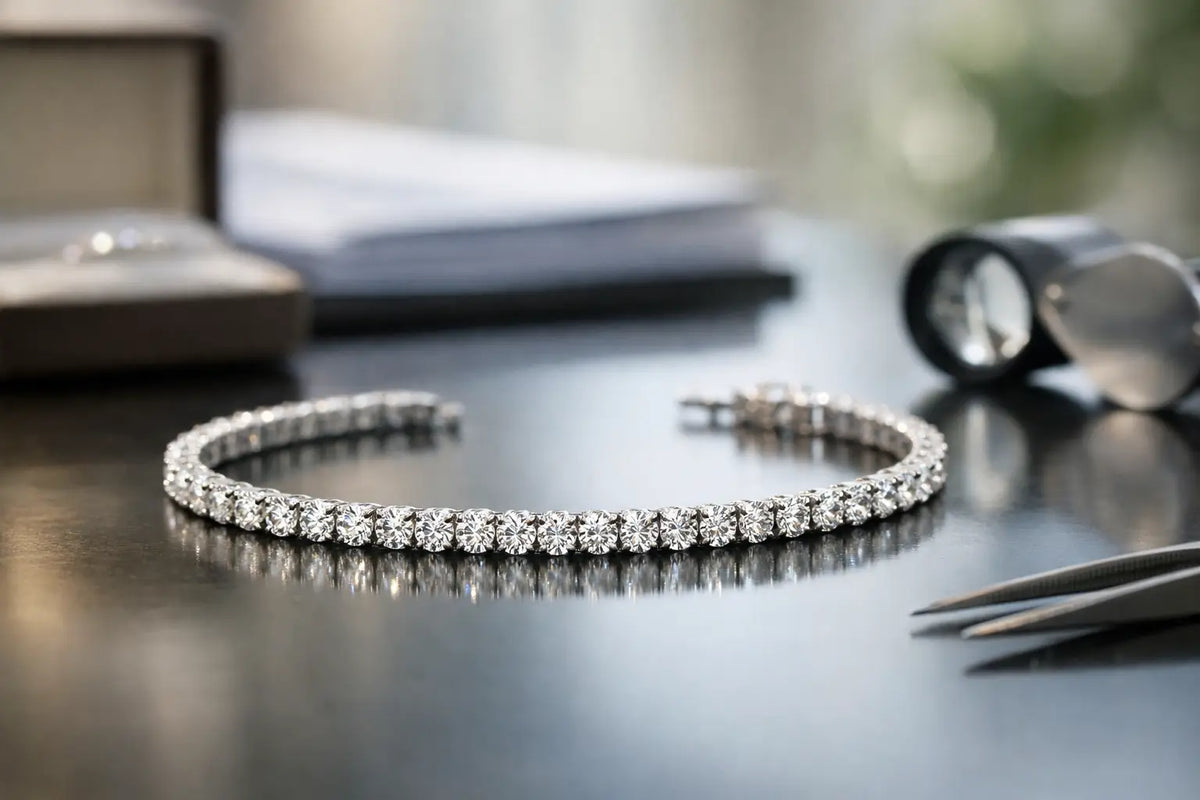
That shift has moved the conversation away from disposable accessories and toward intentional ownership. A refined tennis bracelet, a pair of diamond studs, or a classic solitaire ring can be worn repeatedly, layered differently, and eventually passed on. Longevity is not the only measure of sustainability, but it is one of the most meaningful in a category designed to mark lasting moments.
The strongest sustainable luxury jewelry trends also recognize that taste is individual. Some collectors want a bold oval diamond ring with substantial presence. Others prefer a delicate bezel-set pendant or understated huggie earrings. The common thread is not a single aesthetic. It is the expectation that a beautiful piece should come with a clear, credible story.
Lab-Grown Diamonds Move From Alternative to First Choice
Lab-grown diamonds are at the center of this change. They have the same chemical composition, crystal structure, and optical brilliance as mined diamonds. What differs is their origin: lab-grown diamonds are created in controlled environments rather than extracted from the earth.
For many buyers, that distinction is decisive. Lab-grown diamonds offer a modern path to fine jewelry with traceable specifications and a lower environmental impact than traditional mining. They also allow shoppers to prioritize carat weight, cut quality, and design without automatically moving into a far higher price range.
Value, however, should never be mistaken for compromise. A diamond’s beauty still depends on the details. Cut has the greatest influence on sparkle, while color, clarity, carat weight, and shape each shape the final appearance. A well-cut lab-grown diamond with balanced proportions can look more luminous than a larger stone selected only for size.
Certification remains essential. An independent grading report provides confidence in a diamond’s stated qualities and gives buyers a practical basis for comparison. This is especially useful online, where informed choices depend on precise specifications rather than assumptions.
Bigger stones, considered more carefully
One visible result of the lab-grown diamond movement is a growing preference for more generous center stones and distinctive diamond shapes. Oval, radiant, emerald, pear, and elongated cushion cuts are especially appealing to shoppers who want presence with a tailored feel.
The trade-off is that larger is not always better. A stone with a shallow cut, a prominent bow-tie effect in certain fancy shapes, or proportions that do not suit the setting can lose some of its visual impact. The most elegant choice is one that balances scale, light performance, finger coverage, and personal style.
Recycled Precious Metals and Enduring Gold Settings
Diamond origin is only one part of a jewelry piece’s material story. Recycled gold is another important consideration, particularly as consumers look more closely at the metals they wear every day. Reclaimed gold can be refined back to the same standard as newly mined gold, offering the warmth and durability expected of fine jewelry while reducing demand for newly extracted material.
Yellow gold continues to feel especially relevant because it brings softness and richness to modern settings. Its warm tone pairs beautifully with round, oval, and pear-shaped diamonds, whether the design is minimal or more expressive. White gold remains a polished choice for those who prefer a crisp, bright setting that emphasizes a diamond’s icy brilliance.
Metal choice should be practical as well as aesthetic. Fourteen-karat gold is a popular option for everyday fine jewelry because it offers meaningful gold content with enhanced durability. White gold may require occasional rhodium replating to maintain its bright finish, while yellow gold develops its own subtle character over time. Neither is inherently superior - the right choice depends on lifestyle, maintenance preferences, and the look you want to preserve.
Quiet Design, Stronger Wearability
Another defining trend is the return to designs that feel intentional rather than overstated. Minimal solitaires, bezel settings, slim diamond bands, and streamlined pendants are gaining attention because they make fine materials the focal point.
A bezel setting, which frames the diamond with a smooth rim of metal, offers a particularly modern combination of security and clean design. It can be an excellent choice for someone with an active routine or a preference for low-profile jewelry. Prong settings, by contrast, allow more light to enter the diamond and deliver the classic look many people associate with an engagement ring. The decision comes down to visual preference and daily wear, not trend alone.
This refined approach extends to earrings and necklaces. Diamond studs with secure backs, a solitaire pendant in a considered carat weight, or a simple diamond line bracelet can become signature pieces because they work across occasions. They are polished enough for a celebration and effortless enough for a white shirt, knitwear, or evening tailoring.
The Rise of Jewelry Wardrobes, Not One-Time Purchases
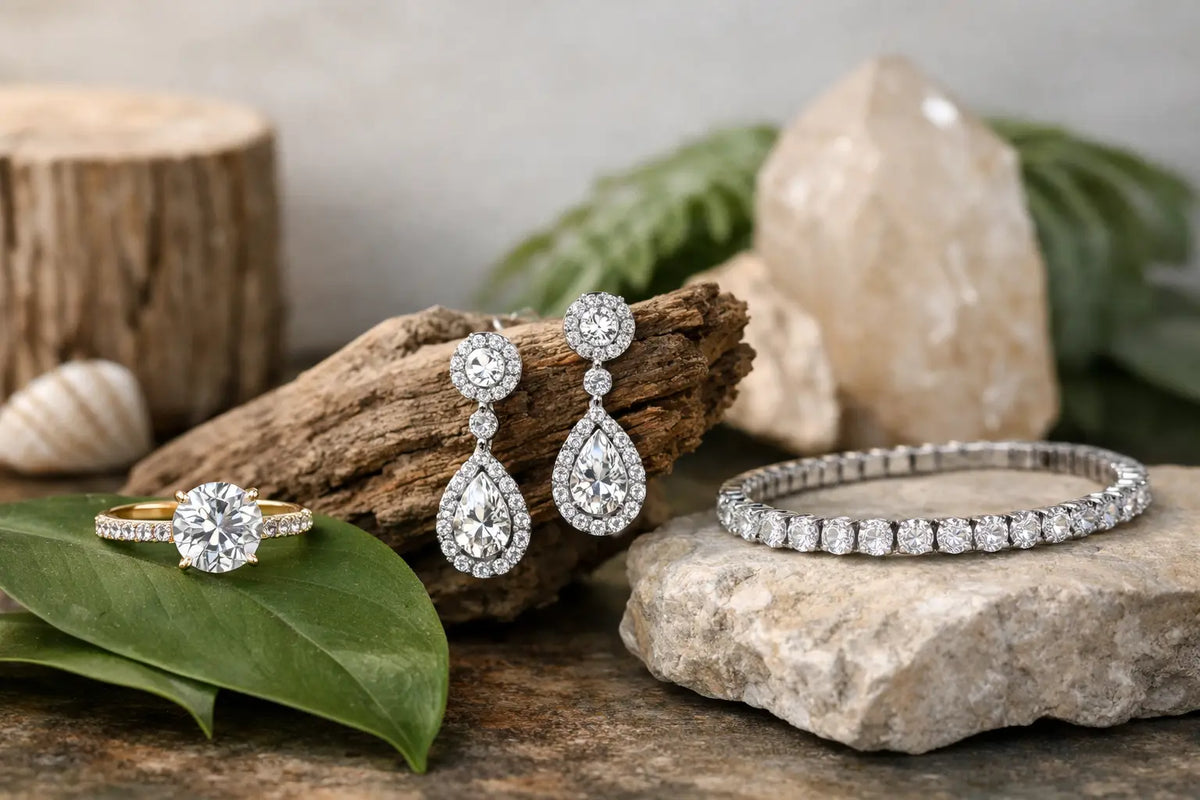
Fine jewelry is increasingly being collected as a wardrobe rather than reserved for a single milestone. This is where sustainability and versatility meet. A buyer may begin with diamond studs, add a pendant for daily wear, choose a tennis bracelet for an anniversary, and later select a ring that becomes a personal emblem.
Layering is central to this idea, but it is becoming more refined. Instead of piling on pieces without direction, collectors are mixing proportions with restraint: a short diamond necklace with a longer chain, slim bands stacked beside a statement ring, or small hoops paired with a single diamond ear cuff. The result feels personal while allowing each piece to remain wearable on its own.
When building a jewelry wardrobe, classic proportions usually offer greater longevity than highly seasonal motifs. That does not mean every piece must be traditional. It means selecting bolder elements with care - a distinctive emerald-cut diamond, sculptural gold, or a meaningful initial - while grounding the collection in quality materials and silhouettes you will want to revisit.
Transparency Is Part of the Luxury Experience
The modern fine jewelry buyer expects more than a beautiful product page. They look for diamond specifications, certification, clear imagery, metal details, and policies that reduce uncertainty. Free shipping, secure payment options, a fair return window, and a lifetime warranty all contribute to confidence in a significant purchase.
Transparency also makes comparison easier. When viewing two diamonds, it helps to assess more than carat weight. Consider the grading report, cut details, measurements, color and clarity range, setting style, and total cost. A thoughtful jeweler should make this information understandable without making the process feel clinical or intimidating.
This is where accessible luxury earns its meaning. It is not about making fine jewelry feel less special. It is about making exceptional quality easier to evaluate, easier to own, and more aligned with the values of the person choosing it.
How to Choose a Piece That Lasts Beyond the Trend
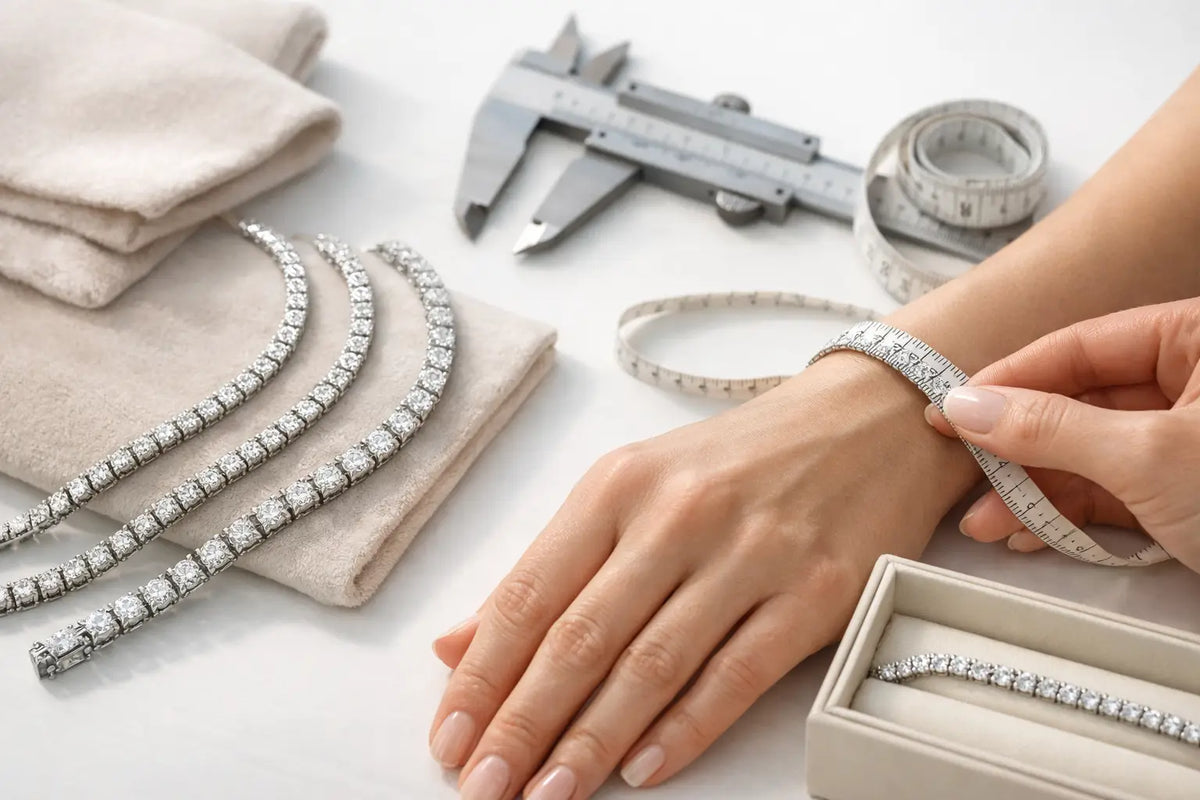
Start with the life the jewelry will live. An engagement ring worn every day calls for thoughtful attention to setting security, band width, and comfort. A necklace may invite more design freedom because it experiences less direct wear. Earrings and bracelets should be chosen with closure type, movement, and practical durability in mind.
Then consider the design from a longer view. Ask whether you would still love the piece if styling trends changed next year. A timeless silhouette does not need to be plain. It simply needs to feel connected to your own taste rather than a passing moment.
Finally, choose quality you can verify. Certified lab-grown diamonds, precious metal details, and dependable after-purchase support turn an emotional purchase into an informed one. At OROLEV, this balance of certified brilliance, refined design, and modern value is the foundation of jewelry made for meaningful wear.
The future of luxury jewelry is not defined by having more. It is defined by choosing pieces with enough beauty, integrity, and personal significance to become part of your story.